From mountains to podiums: how Hutsul fashion is conquering the world
Embroidery for a Ukrainian is not just clothing. It is identity, memory of ancestors, a code of the nation, cultural armor. The popularity of our ethnic clothing and accessories has long been spreading around the world. Madonna and Beyoncé choose Ukrainian jewelry for filming music videos and personal events. Demi Moore often flaunts herself in bright embroidered dresses with Ukrainian motifs. Salma Hayek was spotted on a summer vacation in an ethnic dress. Dina Von Teese has a collection of embroidered dresses from Ukrainian brands. Kelly Rutherford often shows off products from our ethnic brands on social networks. May Musk - Elon Musk's mother - has repeatedly appeared at social events in Ukrainian attire.
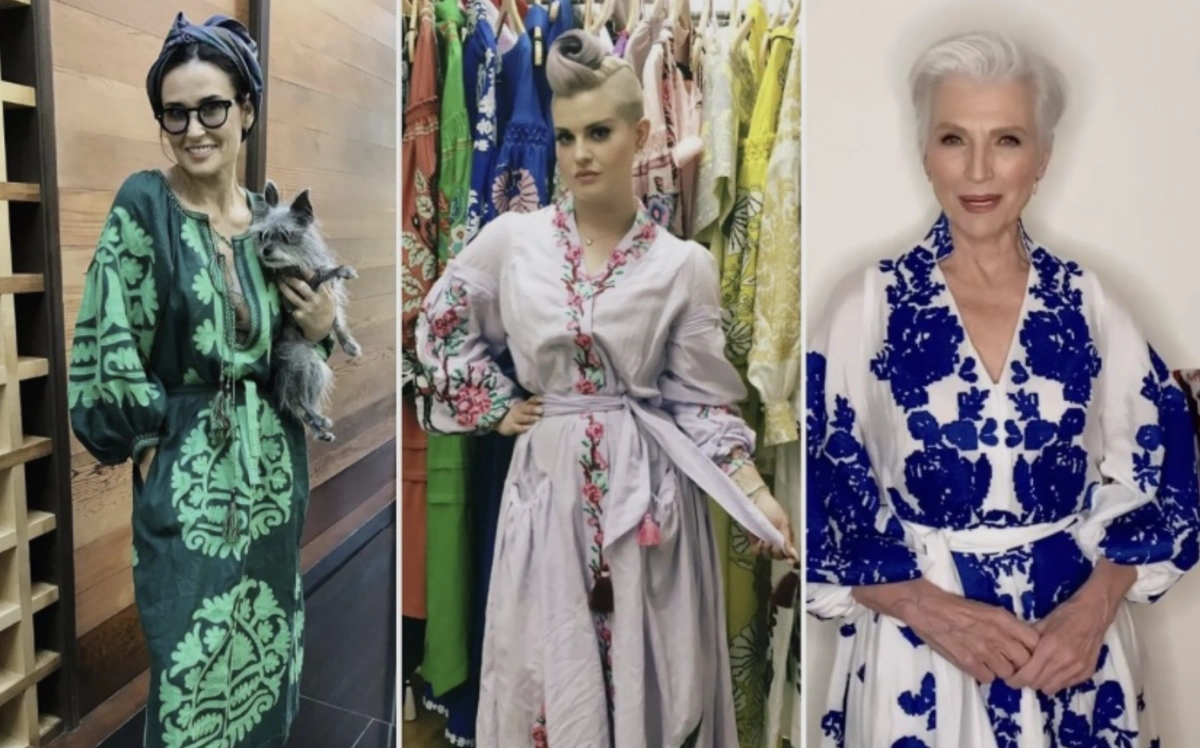
Photo from the Internet
Ben Stiller has worn embroidered shirts during his visits to Ukraine. Even the world-famous robot Sophia donned a vyshyvanka during the Olerom Forum One business forum in Kyiv, where she was a special guest.
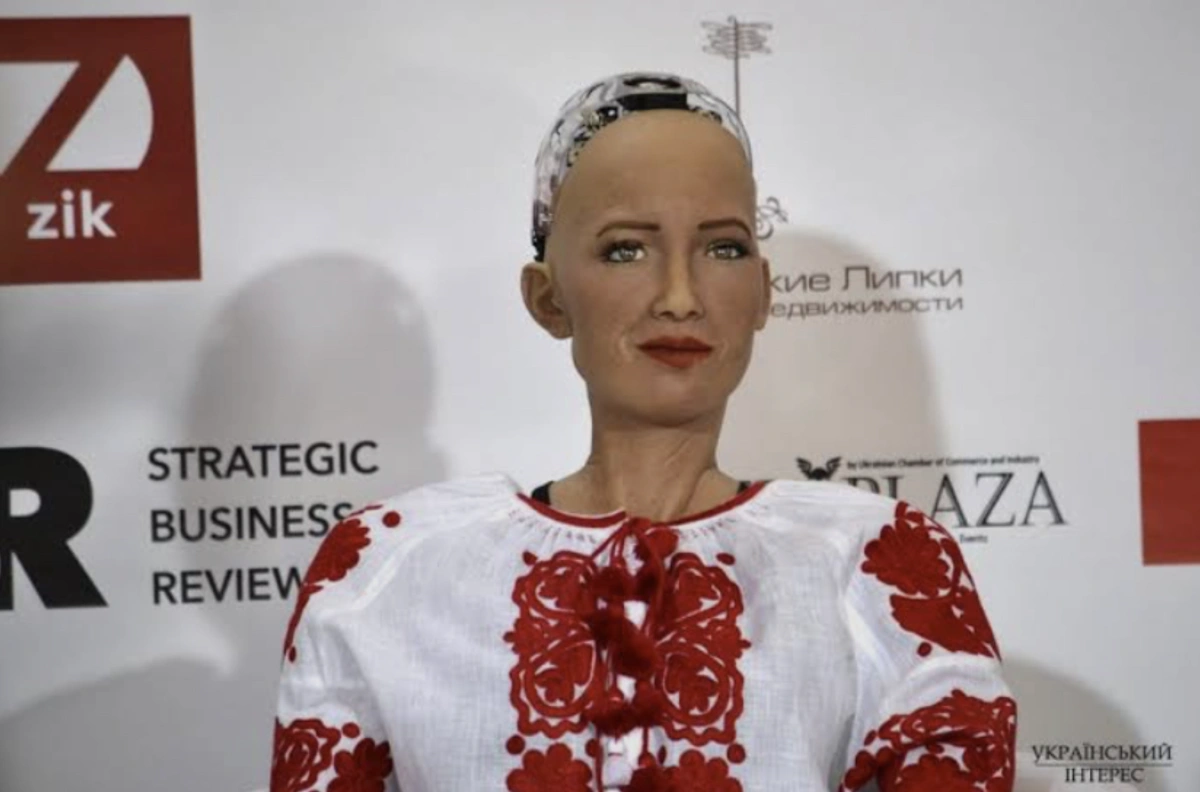
Photo from the Internet
Fashion designers are not far behind. Ukrainian embroidery appeared in the world fashion industry back in the 1960s thanks to the light hand of Yves Saint Laurent, who used ethnic motifs in his collections. Ukrainian ornaments gradually integrated into the fashion industry. The real global boom in vyshyvanka began in the 2000s and continues to this day. Jean Paul Gaultier, Gucci, Valentino, Dior - these and other leading fashion houses are inspired, in particular, by Hutsul culture.
Jean Paul Gaultier
In 2005, Jean Paul Gaultier visited Ukraine as a guest of the Eurovision Song Contest. Inspired by the trip, the designer created the legendary Ukrainian Haute Couture collection for autumn-winter 2005-2006. The podium was called "Kyiv", and different sectors of the hall had the names of Ukrainian cities: Zhytomyr, Lviv, Kharkiv, Yalta. In this collection, Jean Paul Gaultier combined traditional Ukrainian embroidered shirts, Hutsul vests, fur coats, fur hats and elements of the national costume with a signature modern cut and leather. The audience especially liked the green dresses with rich embroidery and suede vests made in the style of the traditional Ukrainian keptaryk. The models' hairstyles also reflected Ukrainian traditions: they had braids tangled or wore wreaths. However, in addition to Ukrainian elements, the images also contained Gypsy, Balkan and Russian elements.
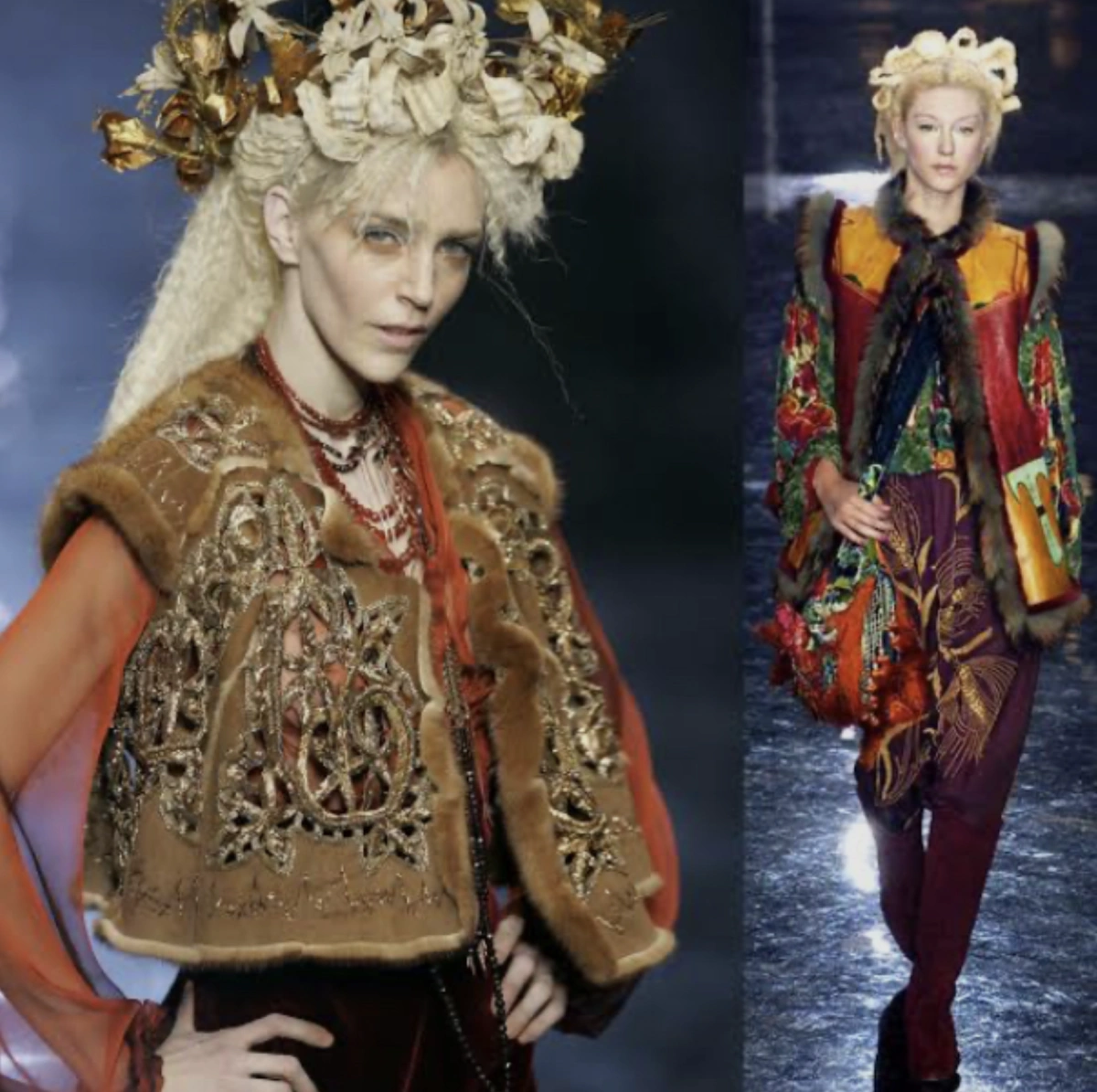
Photo from the Internet
Already in the next collection - pret-a-porter spring-summer 2006 - this mistake was corrected. The basis of the line was dresses and blouses with traditional embroidery, reminiscent of Ukrainian embroidery. The models' looks were complemented by massive necklaces, chokers and hairstyles decorated with viburnum branches. To create an atmosphere of rural color, the catwalk at the show was strewn with straw, and ears of corn were used in the decor of the clothes.
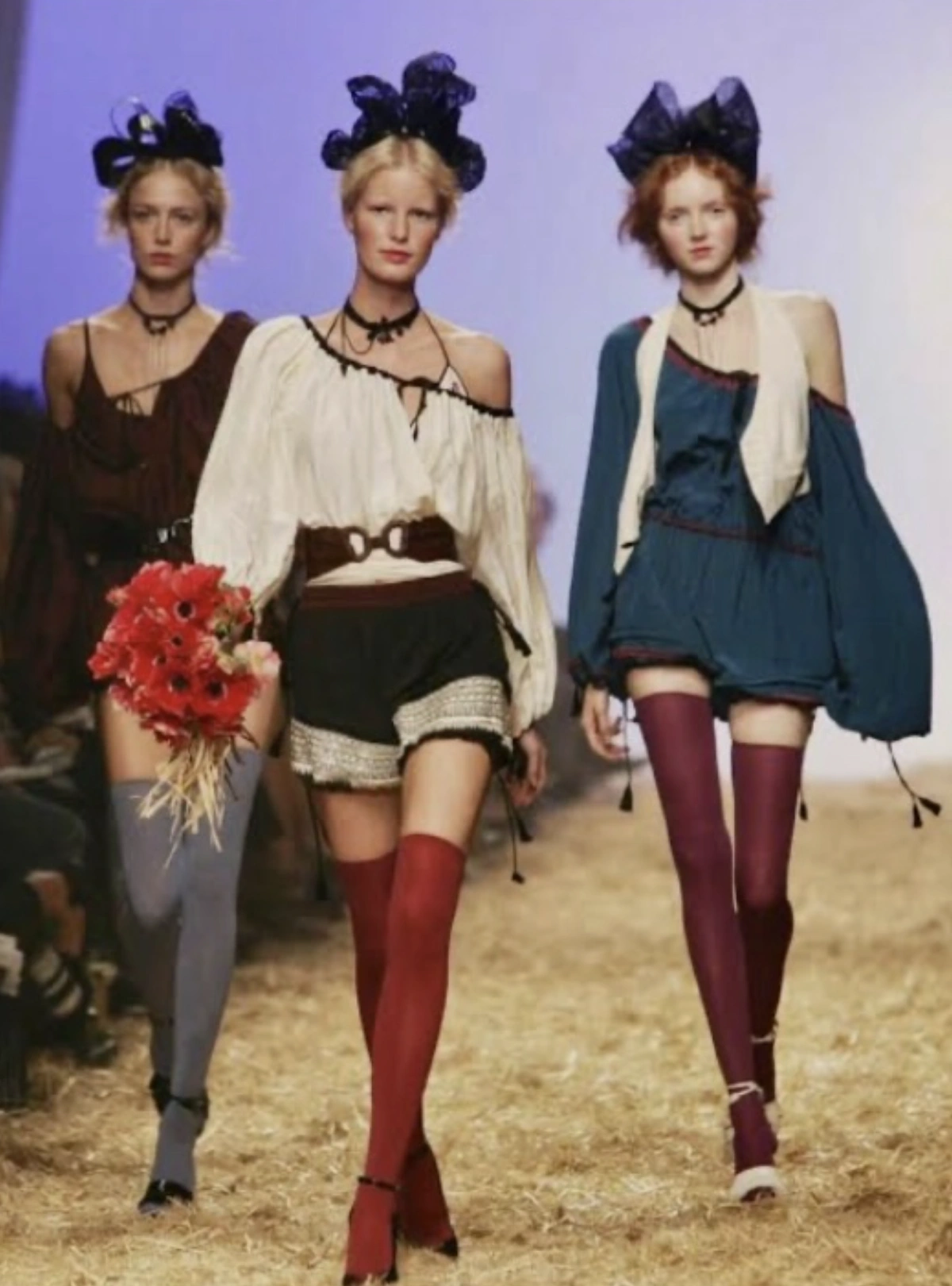
Photo from the Internet
Gucci
The Italian fashion house Gucci was also one of the first to pay attention to Ukrainian motifs. Under the leadership of creative director Frida Giannini, the brand created a fall-winter 2008-2009 runway collection with bright geometric motifs reminiscent of Hutsul embroidery. The designer combined the bohemian rock and roll style of the 1970s with Eastern European and Carpathian folklore.
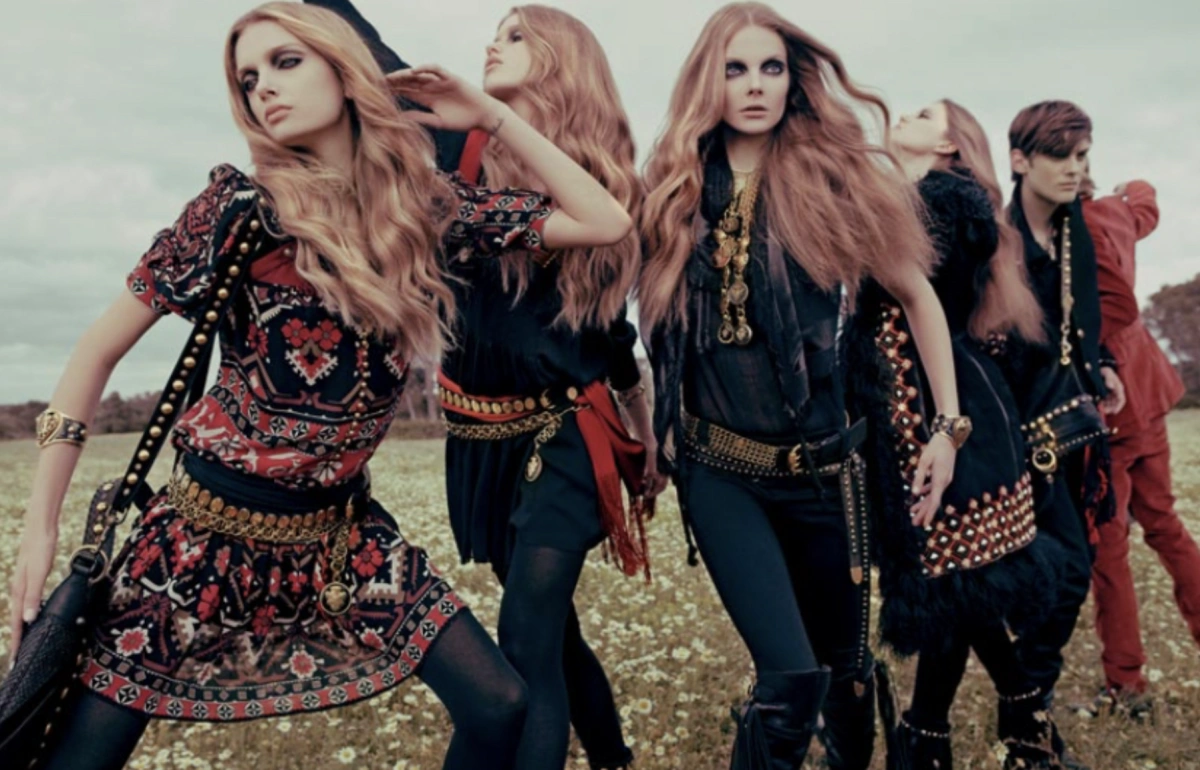
Photo from the Internet
Giannini used complex geometric ornaments, rich embroidery and elements of Ukrainian ethnicity. Dark shades dominated - black, deep blue, which were combined with gold, white, beige and bright red elements. On the catwalk one could see recognizable crimson and multi-colored geometric patterns of Hutsul region, woven into the aesthetics of "luxe boho". Interestingly, Ukrainian embroidery dominated both women's and men's clothing. Also in this collection appeared elements of clothing characteristic of traditional Ukrainian clothing: heavy coats, vests, fringes.
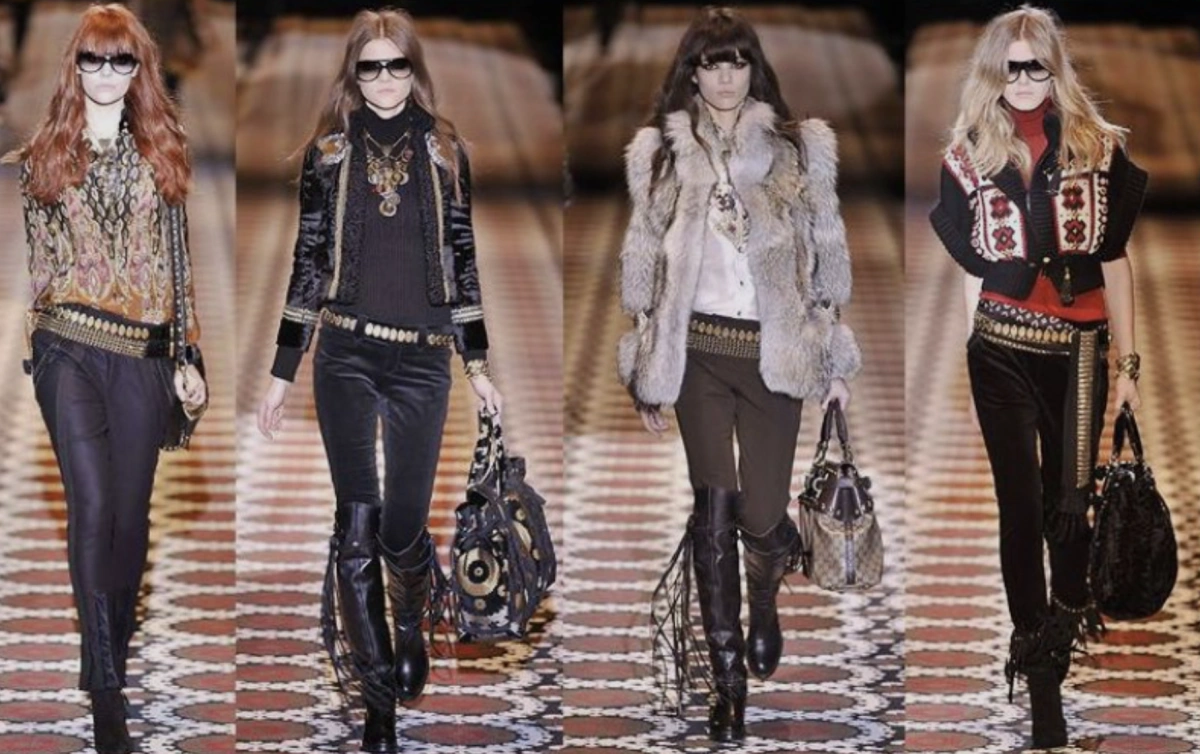
Photo from the Internet
Perhaps the most striking detail of the collection were fur vests made of sheared and curly sheepskin and richly decorated with embroidery. Black, brown, beige and red sleeveless jackets were combined with embroidered blouses. The models were also decorated with belts resembling a fringe with tassels on a long thread.
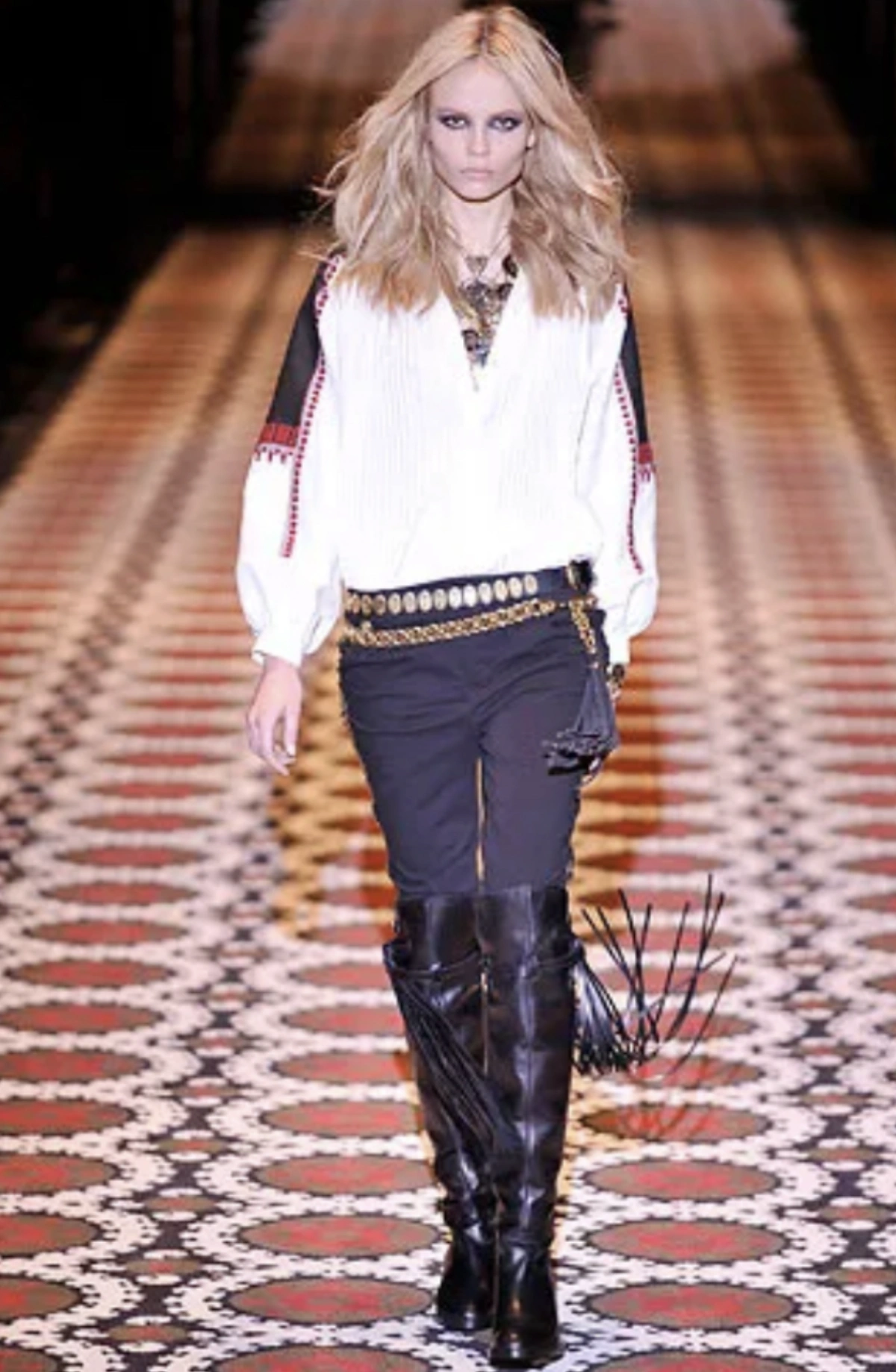
Photo from the Internet
In May 2022, Gucci fashion house was once again inspired by Ukrainian culture and released an exclusive limited capsule collection for the Gucci Vault platform. The fashion house invited the famous Ukrainian designer Vita Kin to collaborate.
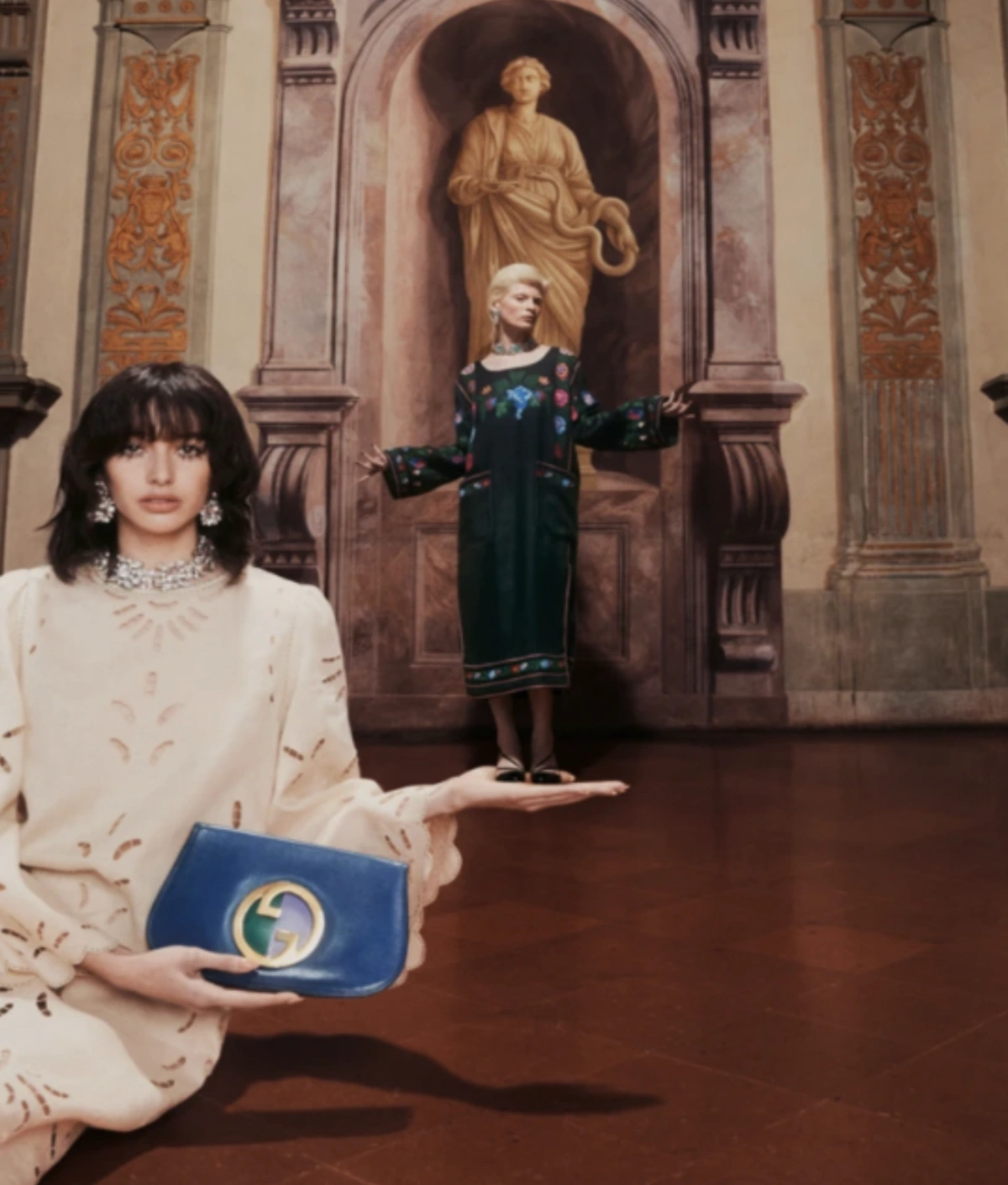
Photo from the Internet
The collection was based on 1970s silhouettes combined with traditional Hutsul embroidery and appliqués. Linen midi and maxi dresses with high waists, as well as traditional embroidered blouses, were decorated with intricate hand embroidery. The collection received rave reviews from fashion experts, who called it “innocently folkloric and effortlessly sophisticated.”
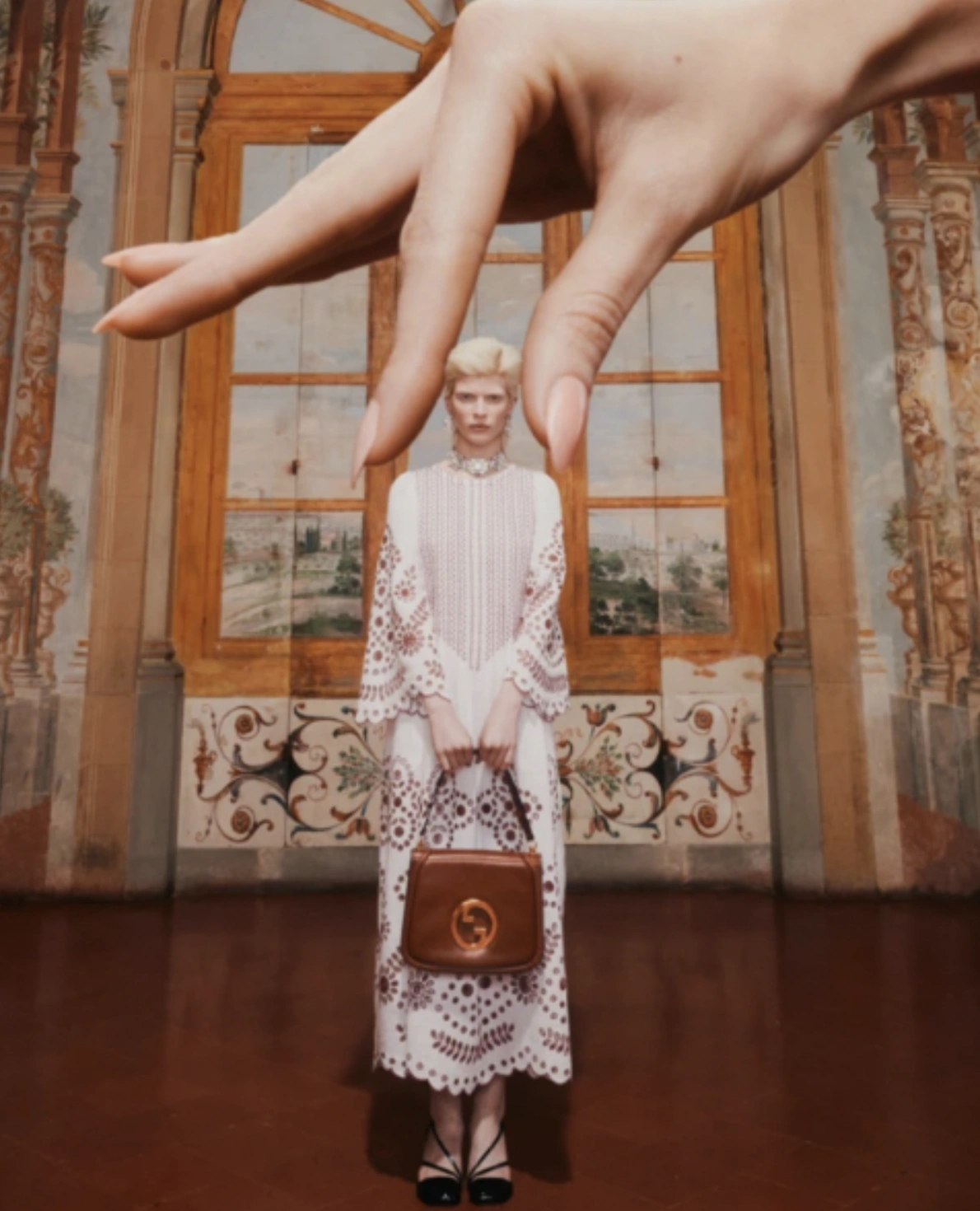
Photo from the Internet
However, it was not without scandal. Ukrainian experts accused Vita Kin of cultural appropriation. They drew attention to the fact that the embroidery on one of the dresses completely repeats the pattern of a shirt from the village of Roztoky in the Ivano-Frankivsk region. This is a children's Hutsul shirt, decorated with a bright floral motif, which is still kept in the Gonchar Museum. The pattern of Vita Kim's "Corsica" model is very similar to the ornament of the shirt. According to Ukrainian art historians, "it is worth separating popularization from exploitation and commercial use."
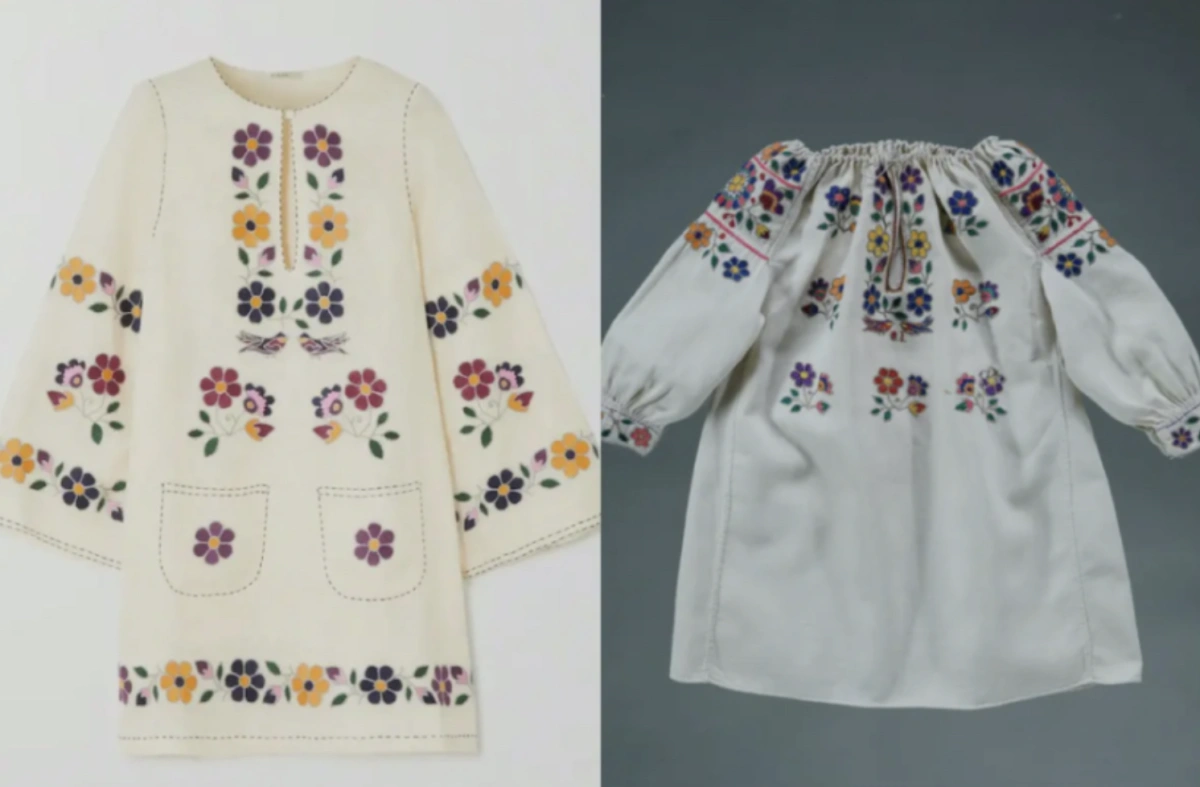
Photo from the Internet
By the way, clothes from this capsule collection could be purchased online. The cost of the items ranged from 950 to 2100 euros.
Valentino
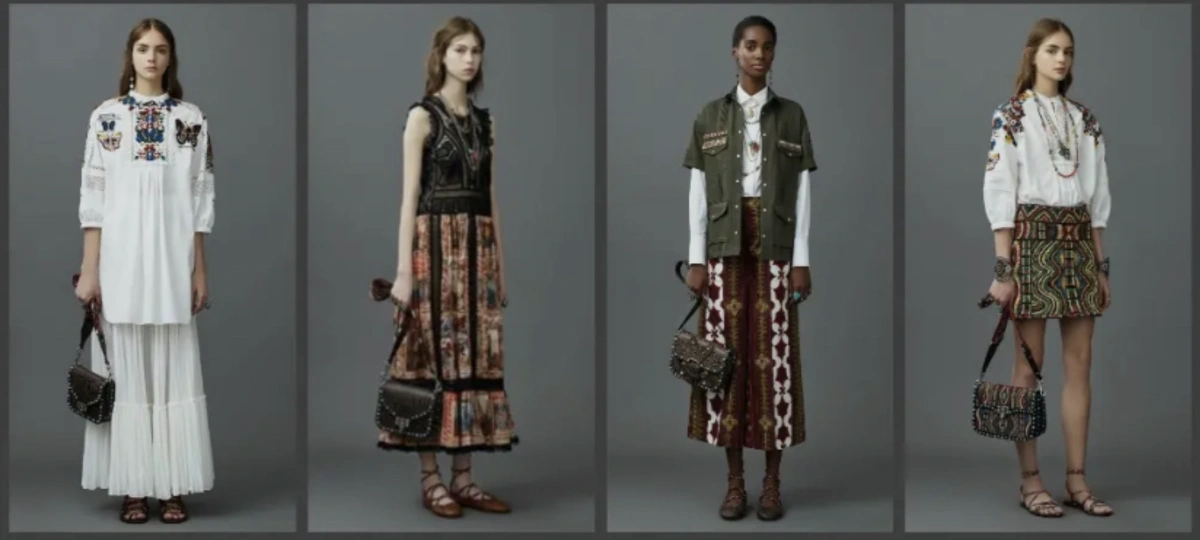
One of the highlights of Paris Haute Couture Fashion Week in 2015 was the presentation of the Valentino collection, which brought models to the catwalk in embroidered shirts, zhupans, and sheepskin vests. In their spring-summer collection, designers Maria Grazia Chiuri and Pierpaolo Piccioli presented clothes with bright geometric patterns and cuts characteristic of the Hutsul region.
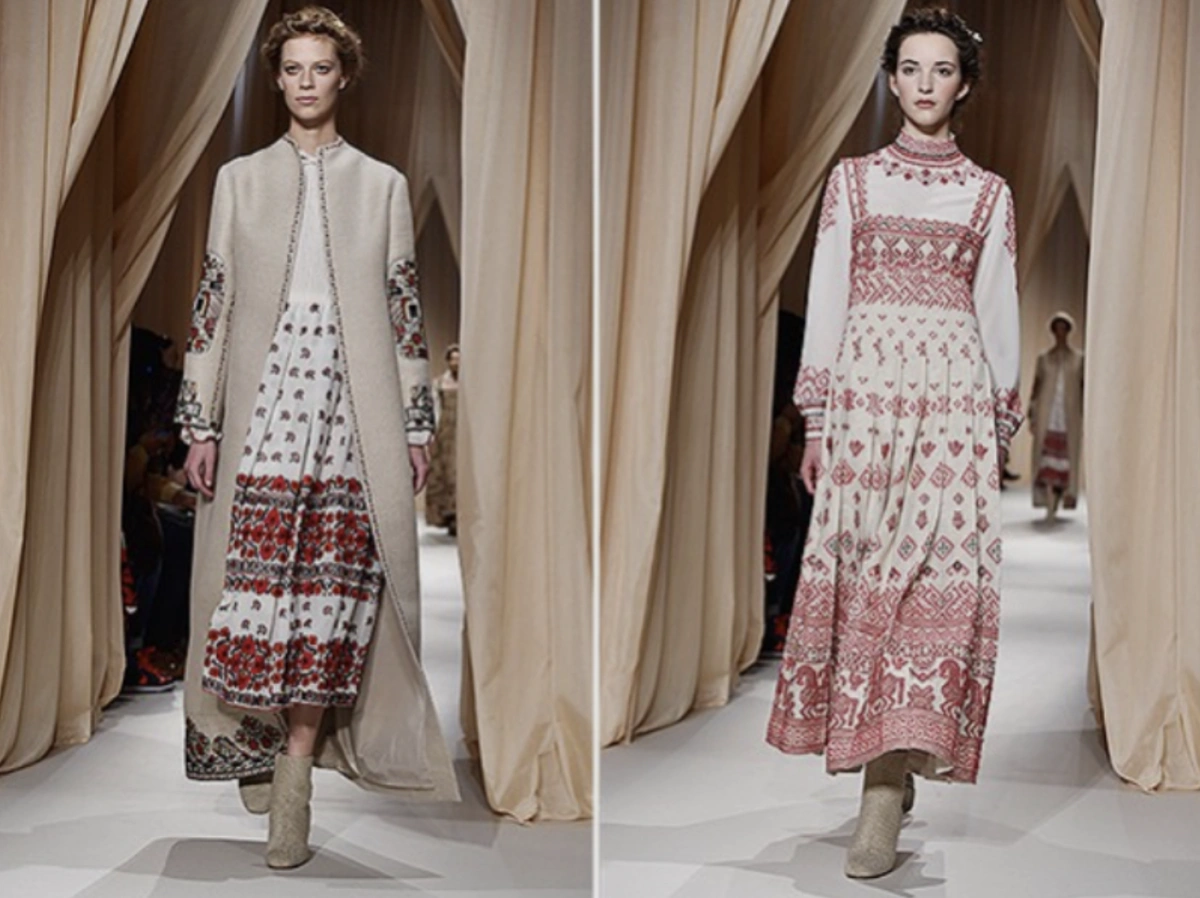
Photo from the Internet
Inspired by Carpathian folk crafts, the couturiers created a collection of shirts, dresses, suits and decorated the clothes with dense embroidered geometric ornaments in the style of Carpathian traditions - rhombuses, zigzags, crosses. Guests of the show saw Carpathian fitted sheepskin keptaryks and flared shirt dresses with red and black Ukrainian embroidery. The looks were complemented by braids braided around the head, decorated with flowers.
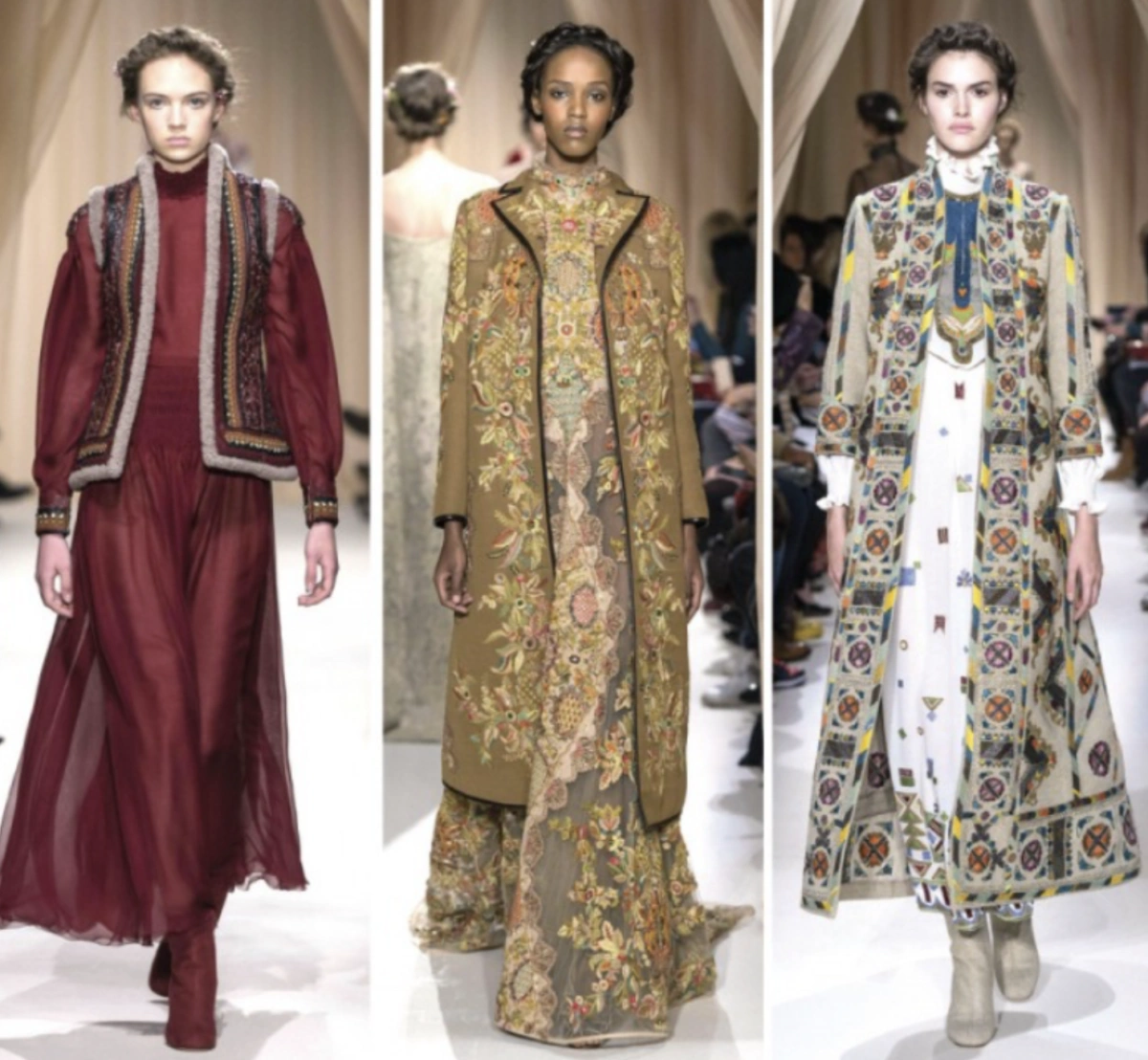
Photo from the Internet
Dior
In 2008, Christian Dior's artistic director John Galliano created a shocking collection that was influenced by Ukrainian ethno. Models took to the catwalk in dark-colored clothes with embroidered sleeves and hems. Critics called this collection "frozen Ukrainian brides," because the models' faces were painted in gray and blue.
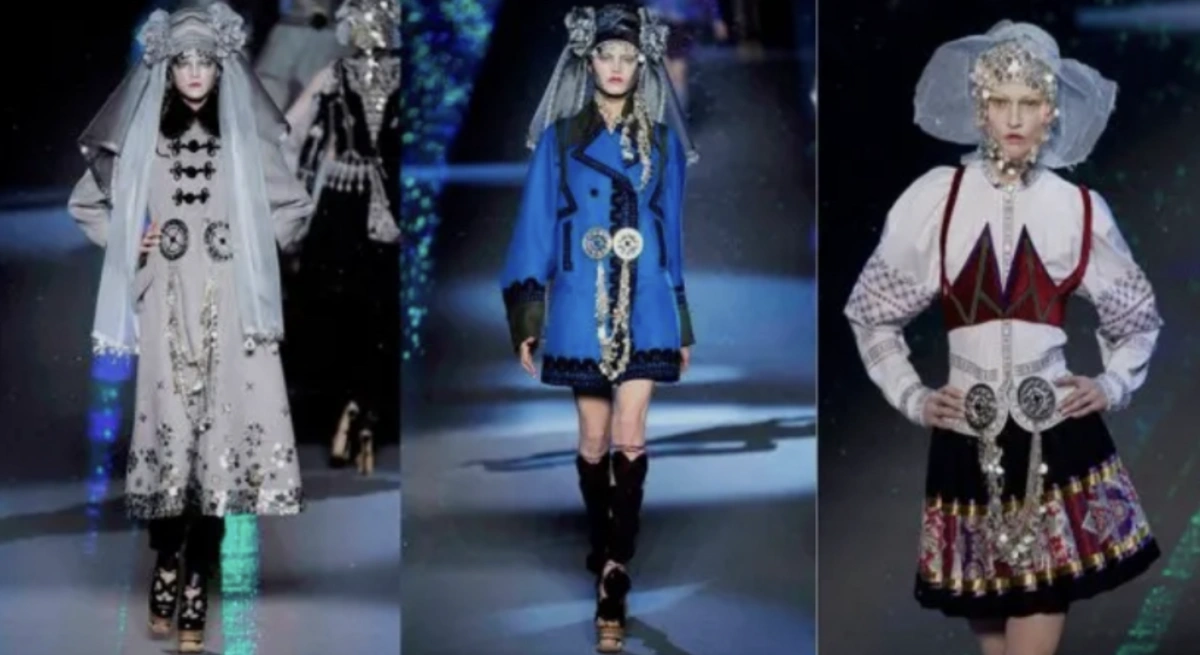
Photo from the Internet
In July 2022, at the Paris Fashion Week, the Dior house presented the Haute Couture Fall-Winter 2022-2023 collection, the red thread of which was the motifs of Ukrainian folk art. It was created by the creative director of the brand, Maria Grazia Chiuri, who already had experience working on the Ukrainian collection at the Valentino fashion house. The designer was inspired by the work of Ukrainian artist Olesya Trofymenko. By the way, the basis for the design of the space was Olesya Trofymenko's painting "Tree of Life", which symbolizes rebirth, the connection of generations and the memory of roots. The collection was conceived as a call to preserve traditions and an attempt to restore the lost balance of the world through art and manual labor. The collection is dominated by traditional Ukrainian motifs in the form of complex embroideries, applications and textures.
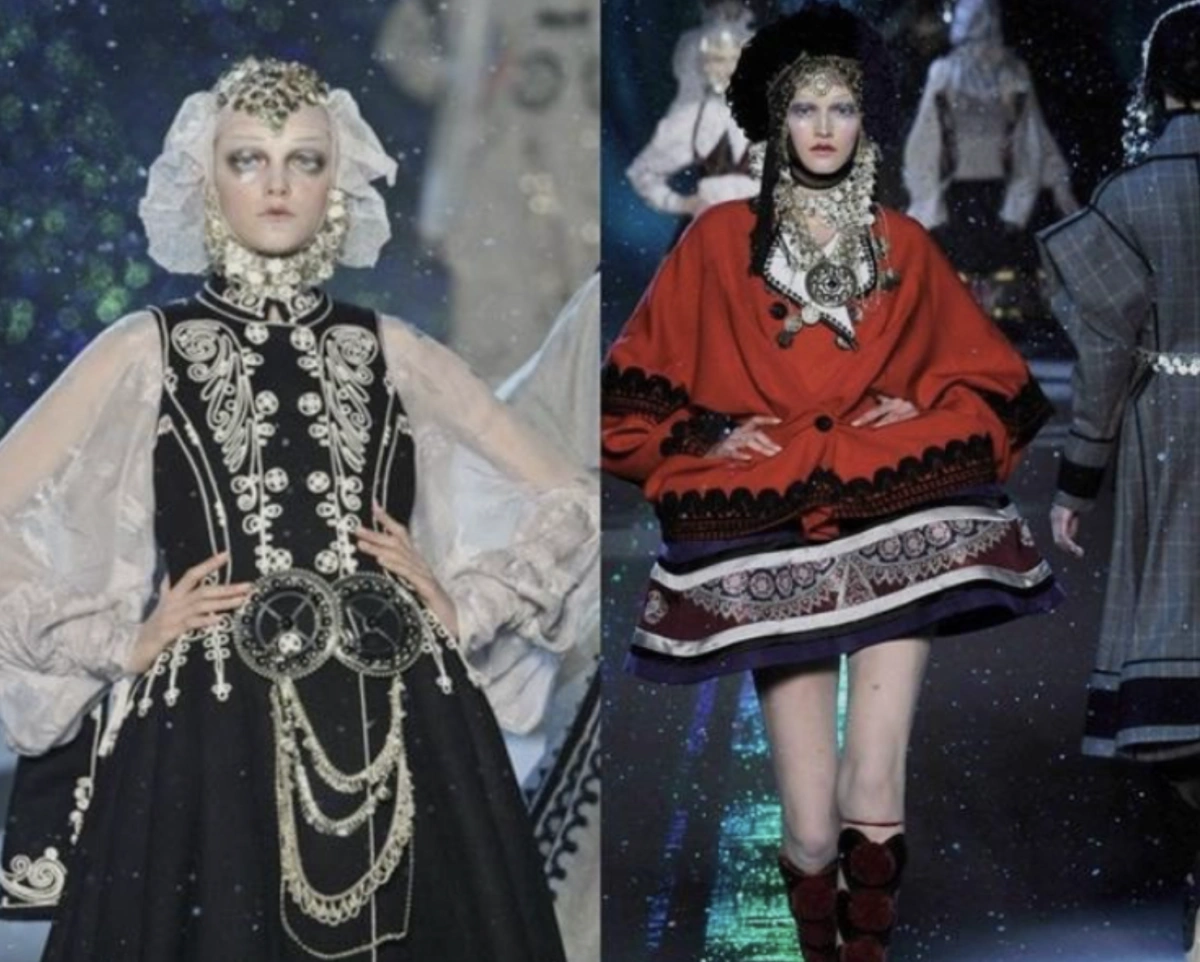
Photo from the Internet
All these collections and looks have already entered the history of fashion. Thanks to them, Ukrainian culture has become even more popular and recognizable in the world. And this is another step towards the recognition and strengthening of our history, tradition, majesty and truth.
Other News