All-Ukrainian Summer School 2026: how schoolchildren traveled along the "Paths of Hutsul Ornament"
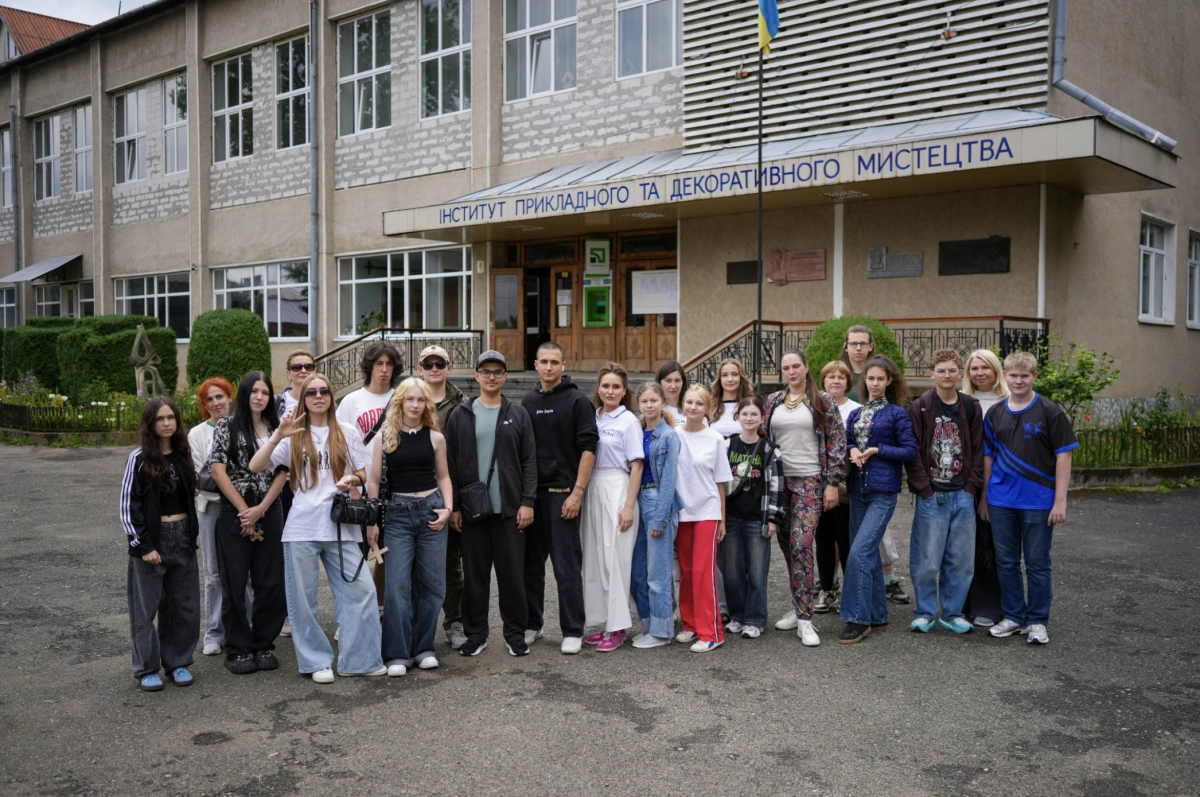
From July 16 to 27, the All-Ukrainian Summer School “On the Paths of Hutsul Ornament” was held in Kolomyia, organized by the National Center “Junior Academy of Sciences of Ukraine”. 16 schoolchildren from different parts of Ukraine participated. The summer school was dedicated to the outstanding graphic artist, designer, and researcher of Hutsul creativity Mykhailo Kurylych and was held at the National Museum of Folk Art of Hutsulshchyna and Pokuttya named after Y. Kobrynsky.
"The All-Ukrainian Summer School "On the Paths of Hutsul Ornament" has been held by the JAS for the third year in a row. We launched this project with the belief that true education is born where science meets culture, and knowledge meets living tradition. Today, it is especially important not only to teach children the exact and natural sciences, but also to help them realize their own cultural identity. That is why the school participants work alongside folk masters, research the Hutsul ornament, discover the wealth of Ukrainian intangible cultural heritage, and at the same time see how mathematics, physics, chemistry, and art are inextricably linked," noted the President of the JAS, Stanislav Dovgiy.
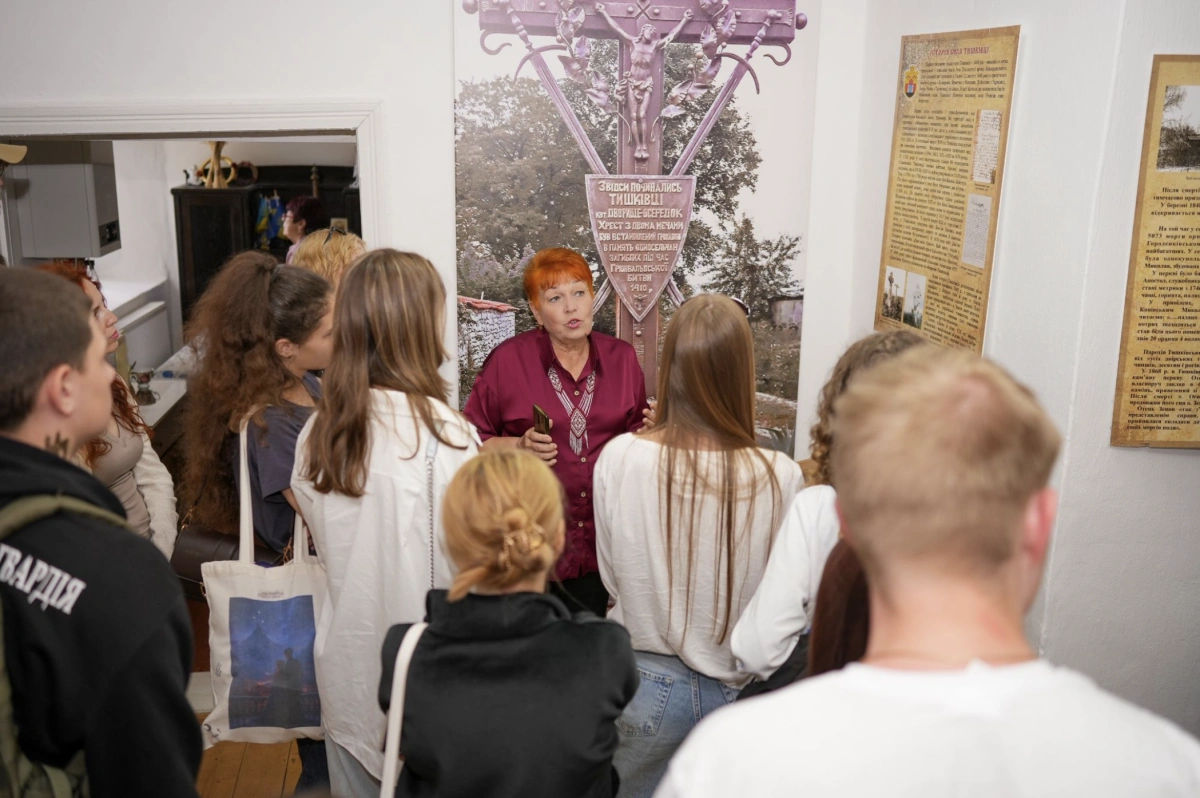
The school program was rich, interactive and dynamic. Students met with folk craftsmen, took part in master classes and quests, visited museums, went to a local festival, practiced English and financial literacy. And, of course, enjoyed the nature and beauty of the Carpathian region. In particular, they walked through the Tysov Reserve in the village of Tyshkivtsi and saw the famous waterfall in the city of Yaremche.
"The All-Ukrainian Summer School "On the Paths of Hutsul Ornament" is a space where knowledge is combined with creativity, and cultural heritage comes to life through research, communication, and practice. Almost every day we traveled to different corners of the country to visit masters in their estates-workshops, where children could learn unique knowledge and learn firsthand the secrets of traditional crafts. Such activities are interesting and valuable not only for students who study art history or folklore, but also for those who are more involved in the IT sphere, mathematics, and physics. After all, during their studies, schoolchildren also master the exact sciences. For example, when students are engaged in Easter egg painting, they must understand the laws of geometry and mathematics in order to build ornaments. When they work in the technique of brass or woodcarving, they must understand physics. "In this way, students begin to better understand the connection between science and art", emphasized the head of the school, Deputy Director of the JAS for Art Maria Lubynska.
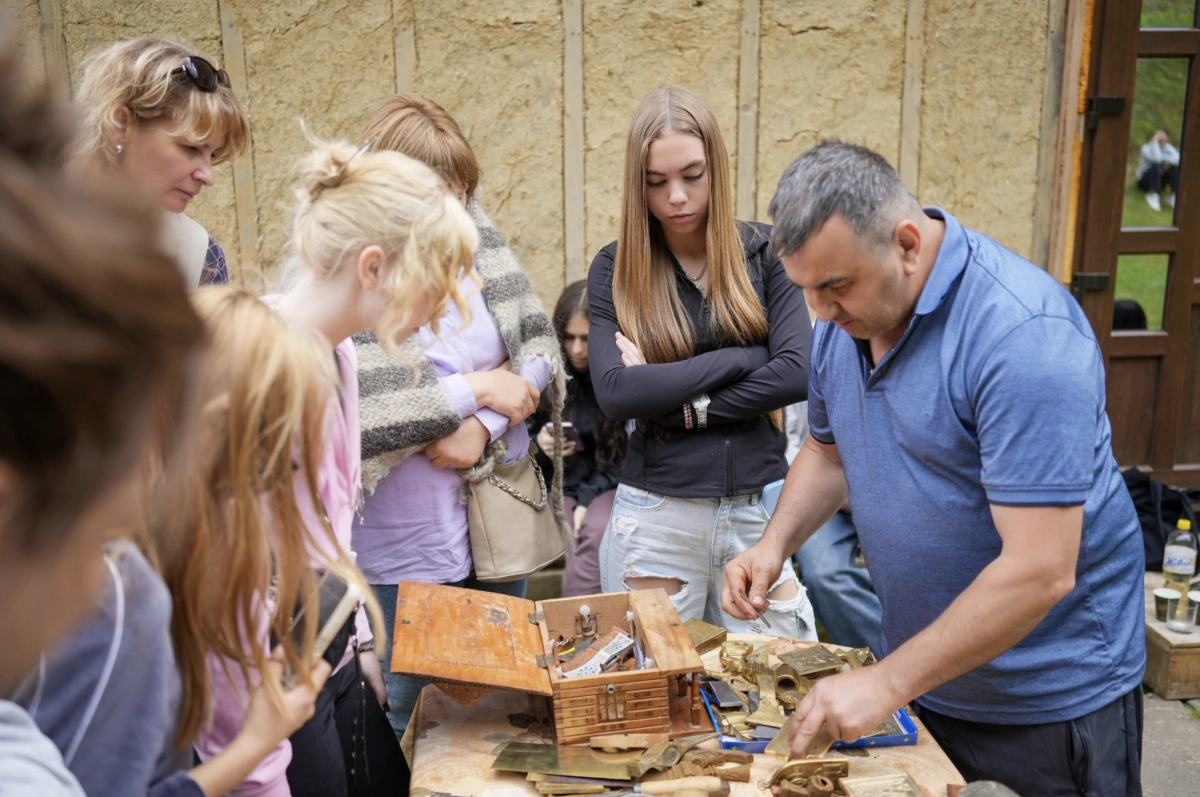
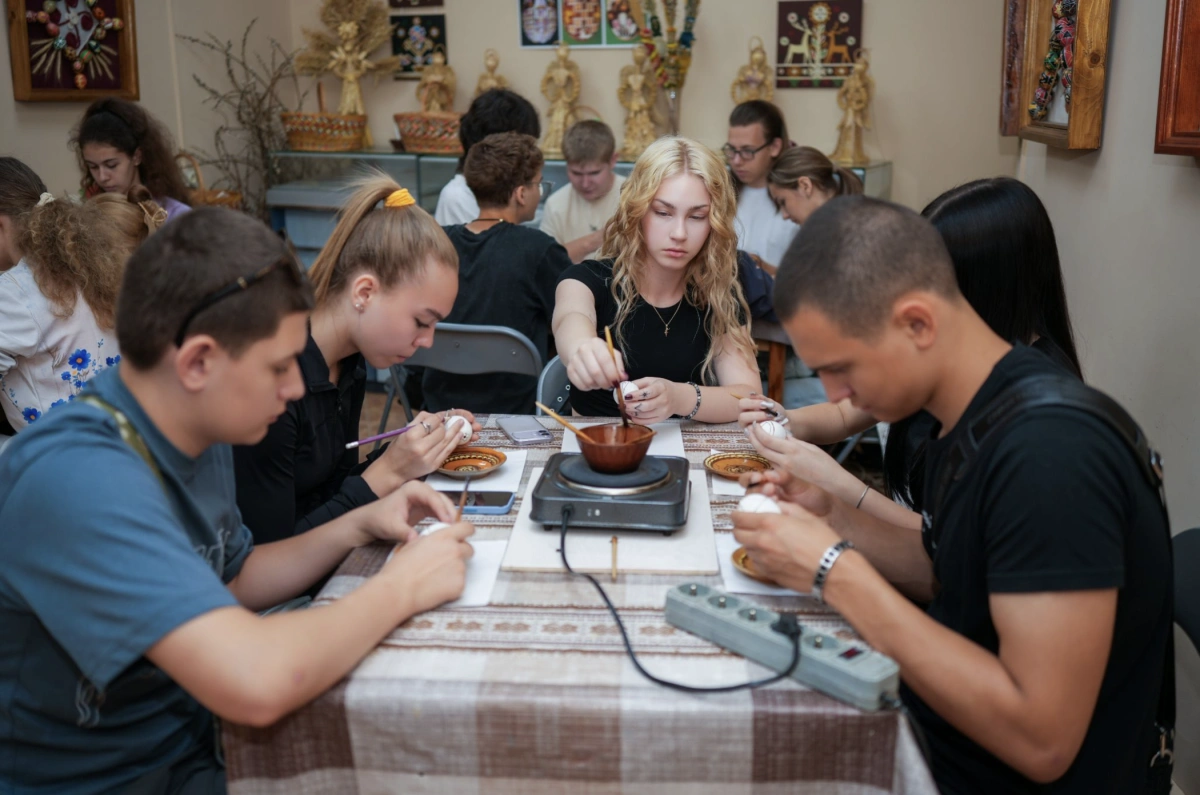
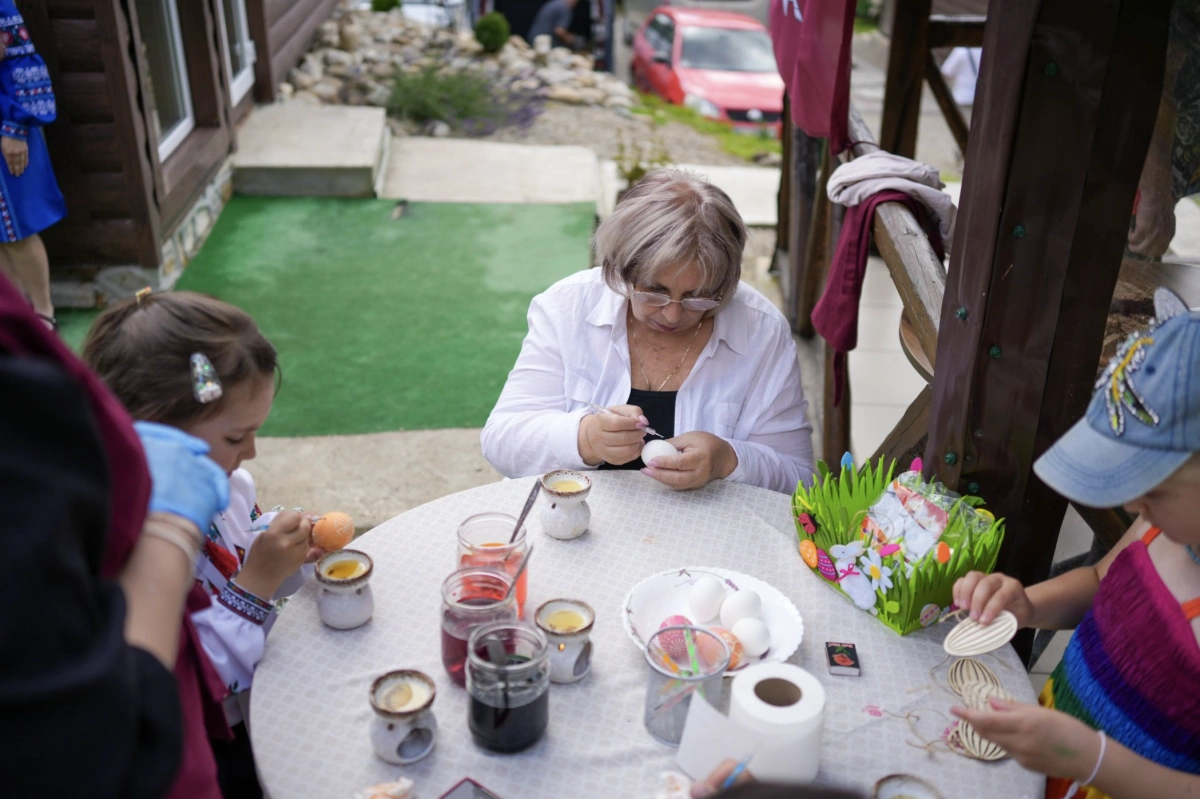
Easter egg making, brass making, pottery, wood carving, ladle making, wood inlay, beadwork, weaving, cheese plastic - students had the opportunity to get acquainted with these crafts at school under the guidance of experienced craftsmen, bearers of cultural heritage. Thus, a master class on Easter egg making was held at the Museum of Easter Egg Painting, which is included in the Guinness Book of Records. Schoolchildren studied traditional Hutsul ornaments: they mastered geometric patterns formed from straight and broken lines in the form of rhombuses, triangles, rectangles, squares in combination with images of deer, horses, birds, fish using yellow, orange, red colors on a black background.
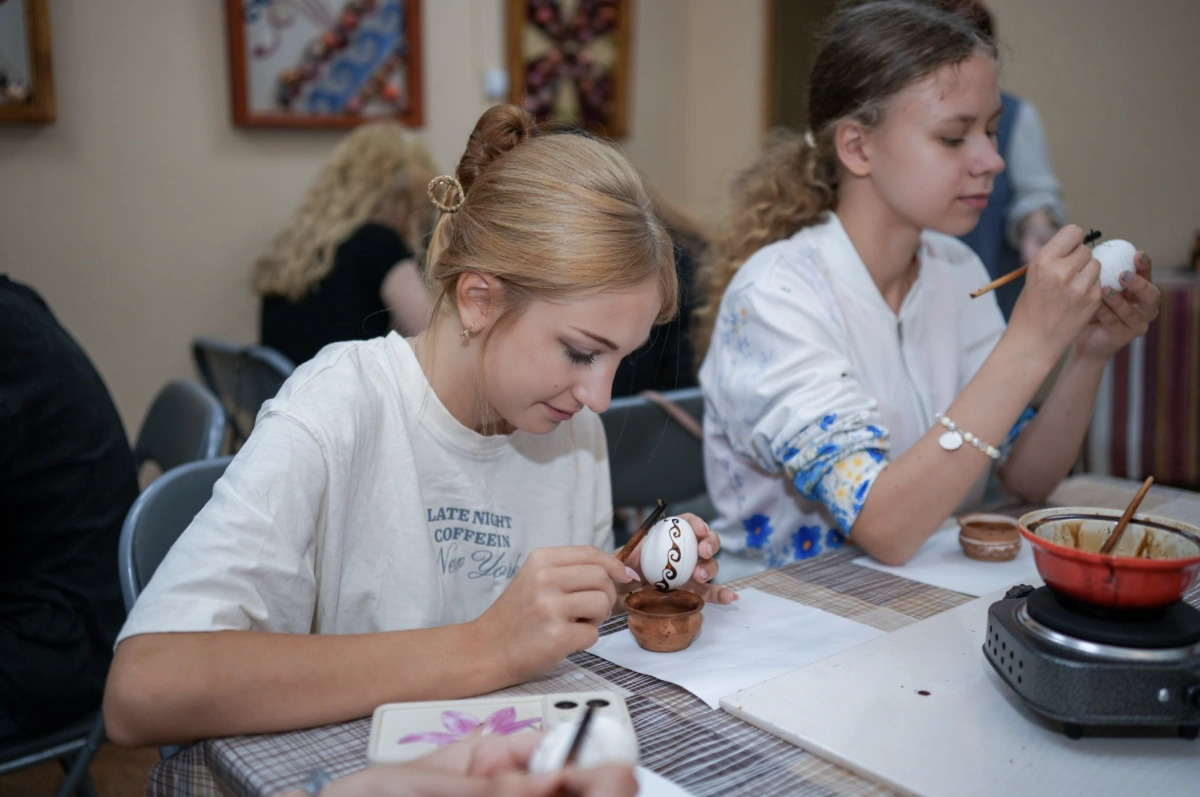
"First, we were given ready-made ornaments for painting, heated wax, and pens. Then we applied the ornament with wax and at each stage dipped the eggs in a solution with paint. Everyone had the opportunity to create a unique painting and take their product as a souvenir," shared her impressions, a school student, Yelyzaveta Chalovska from Kherson.
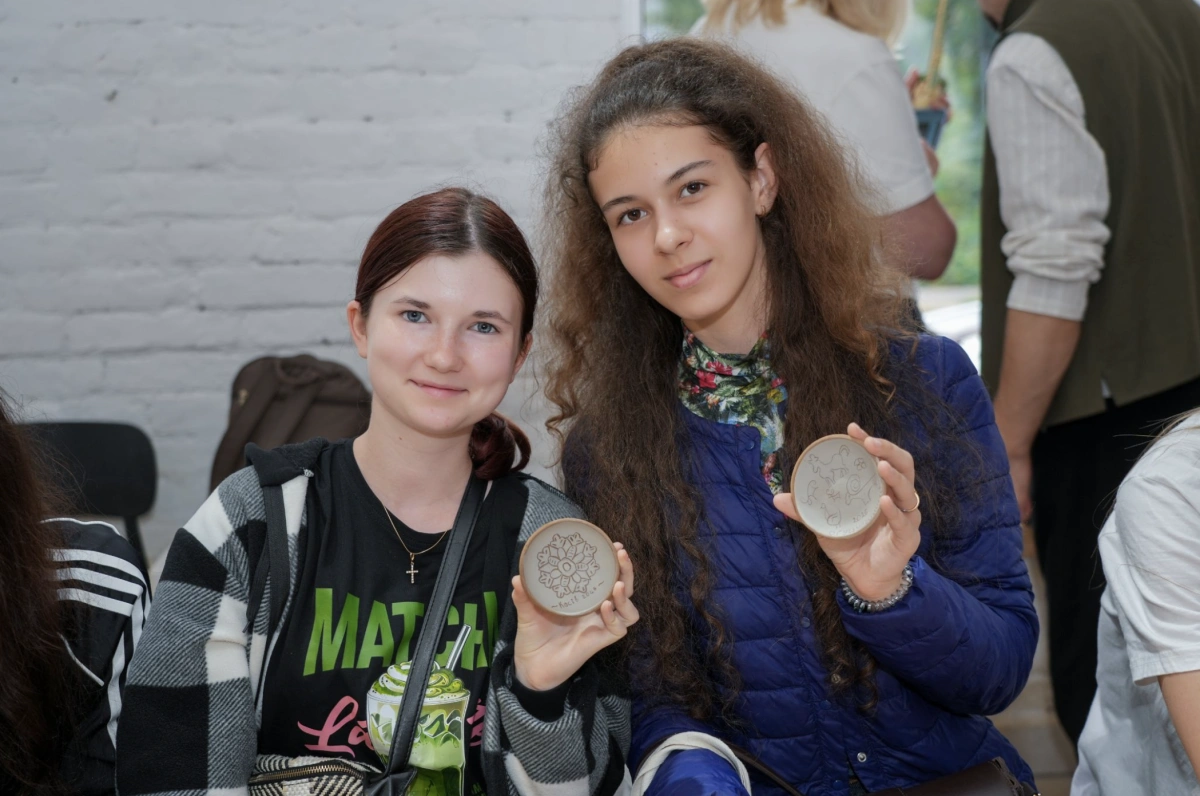
In the Gonchar ceramics workshop, schoolchildren got acquainted with the unique Hutsul art - Kosiv painted ceramics. In 2019, it was included in the UNESCO Representative List of the Intangible Cultural Heritage of Humanity. The workshop's specialists revealed to the students the main secrets of Kosiv ceramics - three-color painting and the scratching technique. Thus, the drawing is applied to the product with a sharp object, after which it is painted with yellow, green and brown colors, which symbolize the sun, forest and earth.
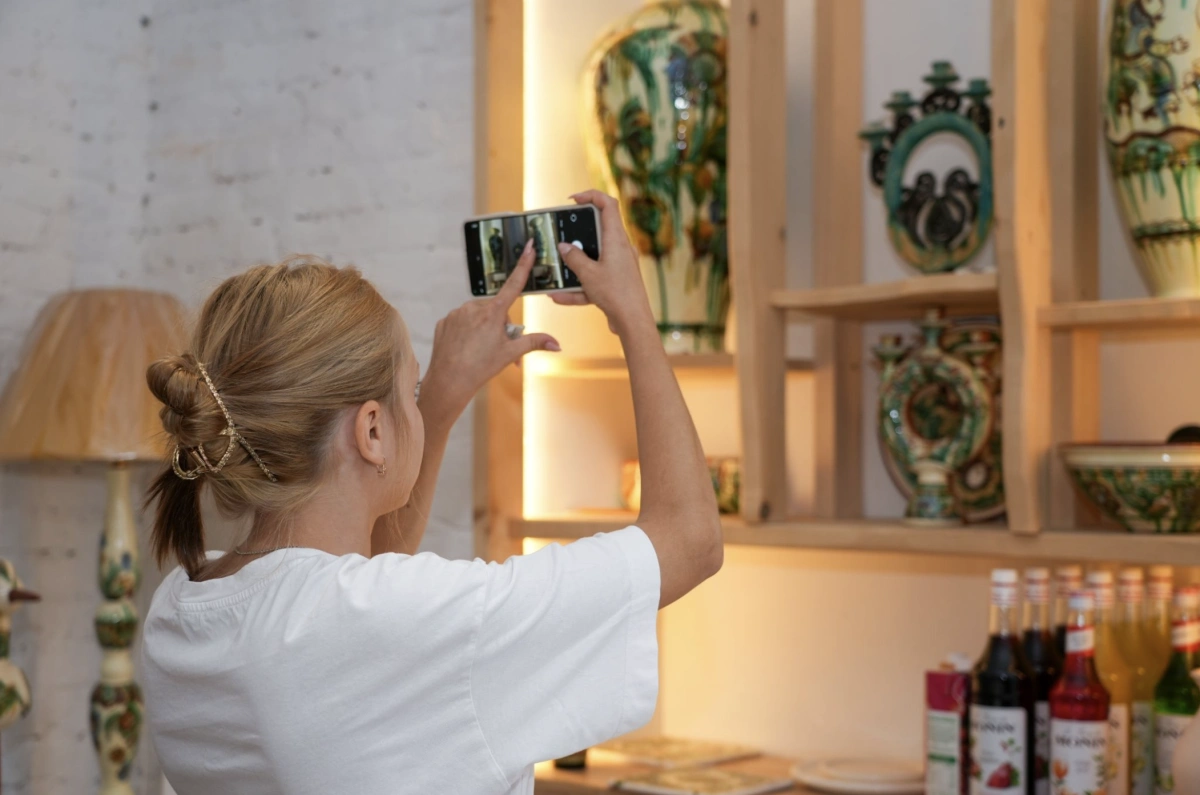
"We decorated ceramic plates by hand with our own patterns. It was not so much difficult as it was responsible, because one mistake - and you can't change anything, everything will remain on the clay. I believe that such crafts today definitely need to be learned, tried. When you work with your hands - it can't be compared to anything. In addition, it is also an opportunity to learn more about our ancestors and feel closer to them, to get to know their way of life," said 16-year-old Olga Ivanova from the city of Romny.
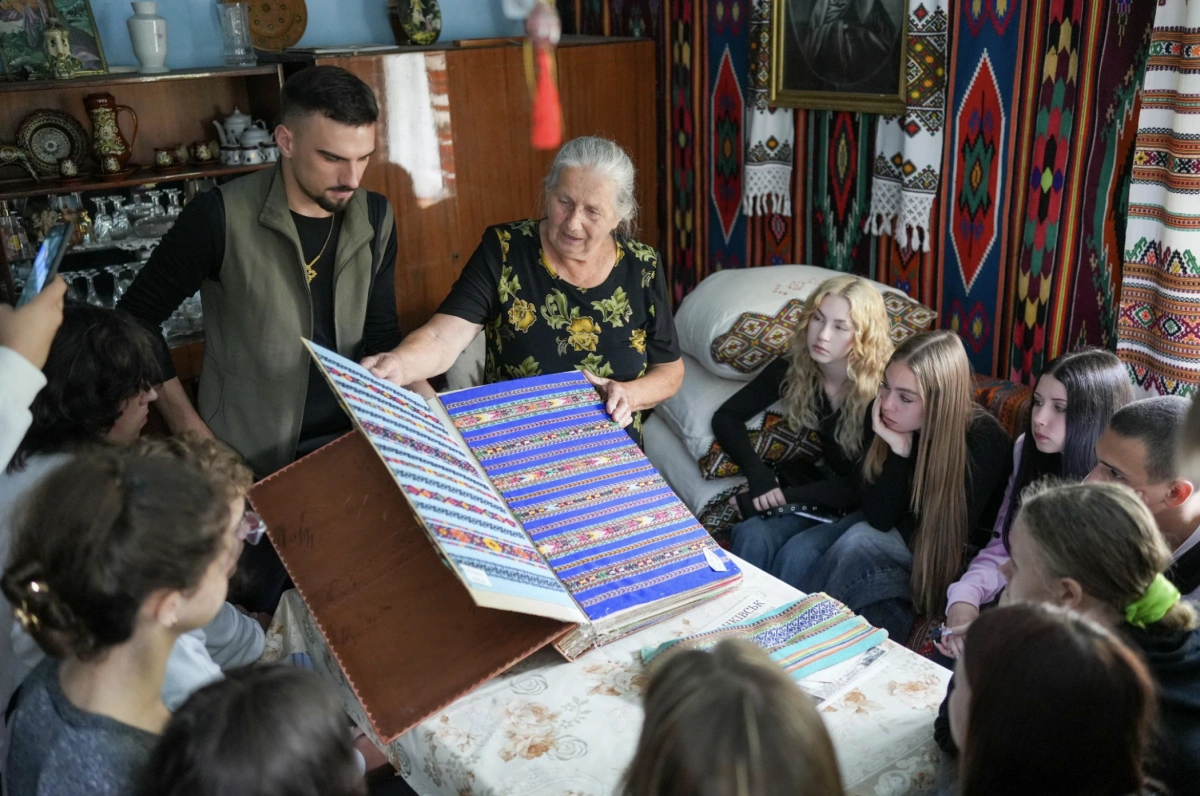
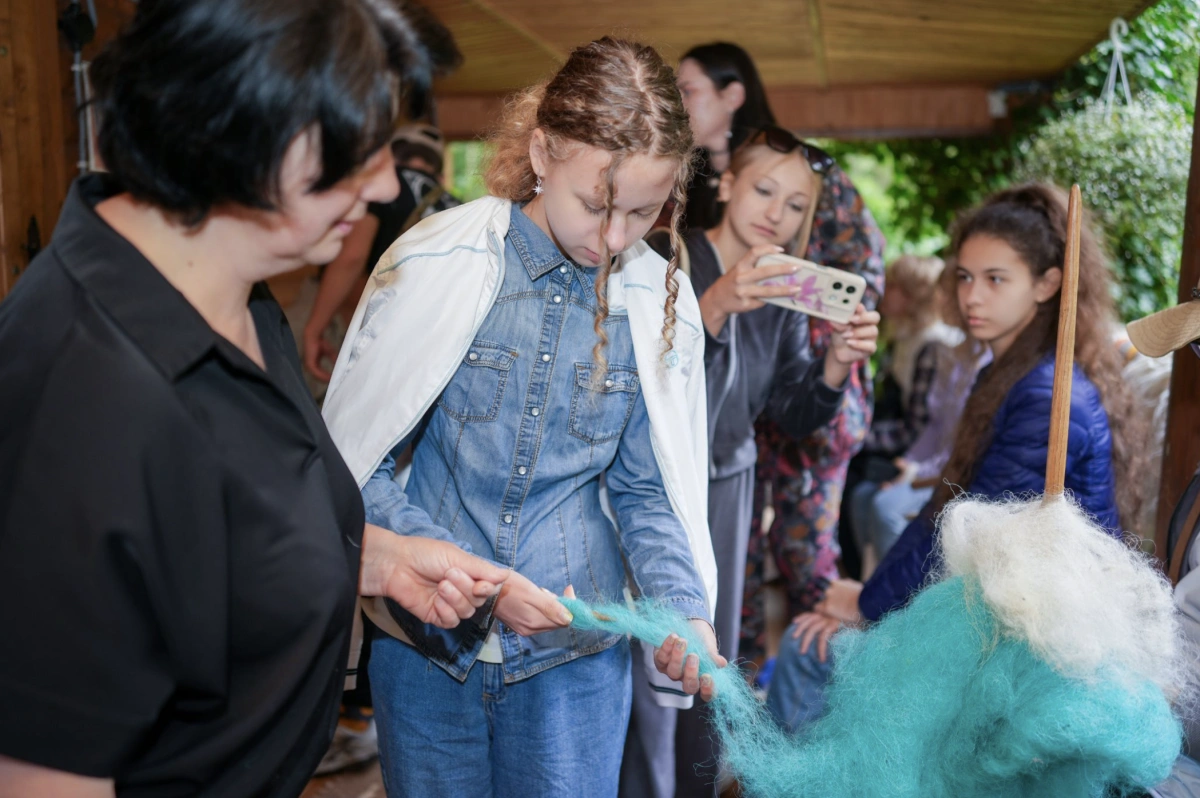
Schoolchildren visited the village of Yavoriv - the "capital" of sheepskin rug making - an art that warms. Craftswoman Svitlana Pavlyuk demonstrated to students the ancient technology of creating sheepskin rugs from natural sheep wool. Such products have healing properties: they save from colds and back pain.
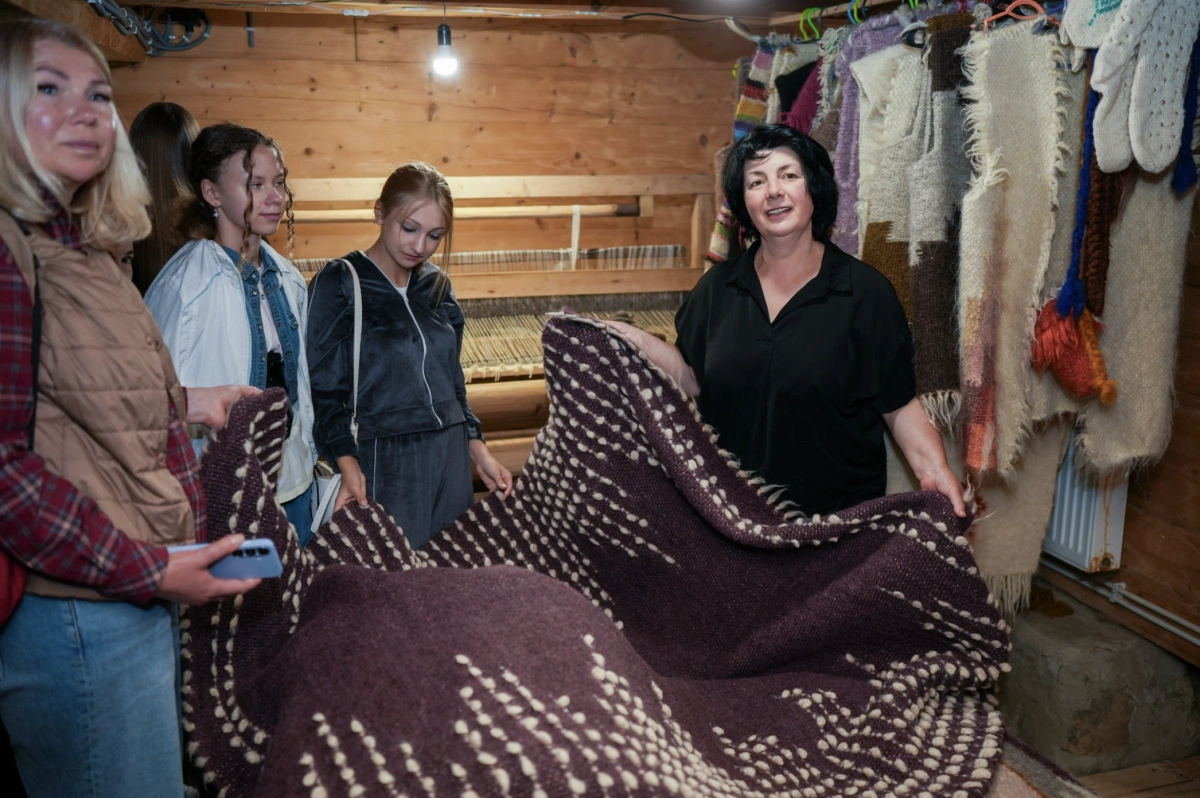
"It was very exciting to watch how wool is transformed into warm things. We learned that this art is very ancient. Today, there are few masters who know how to create such things, because it is a painstaking and long process," noted Sofia Moroz from Poltava.
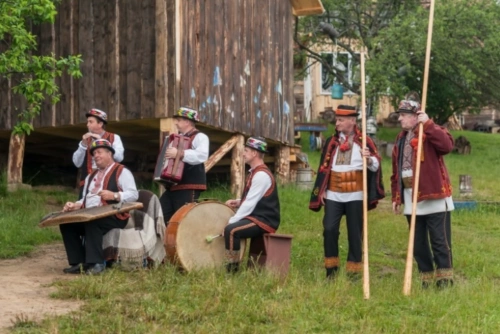
The "Colorful Balls" festival is another local tradition that the school's students were lucky enough to join. This year, the event was held in the village of Proskurava: folklore groups, folk craftsmen, and artists gathered here to present Hutsul culture.
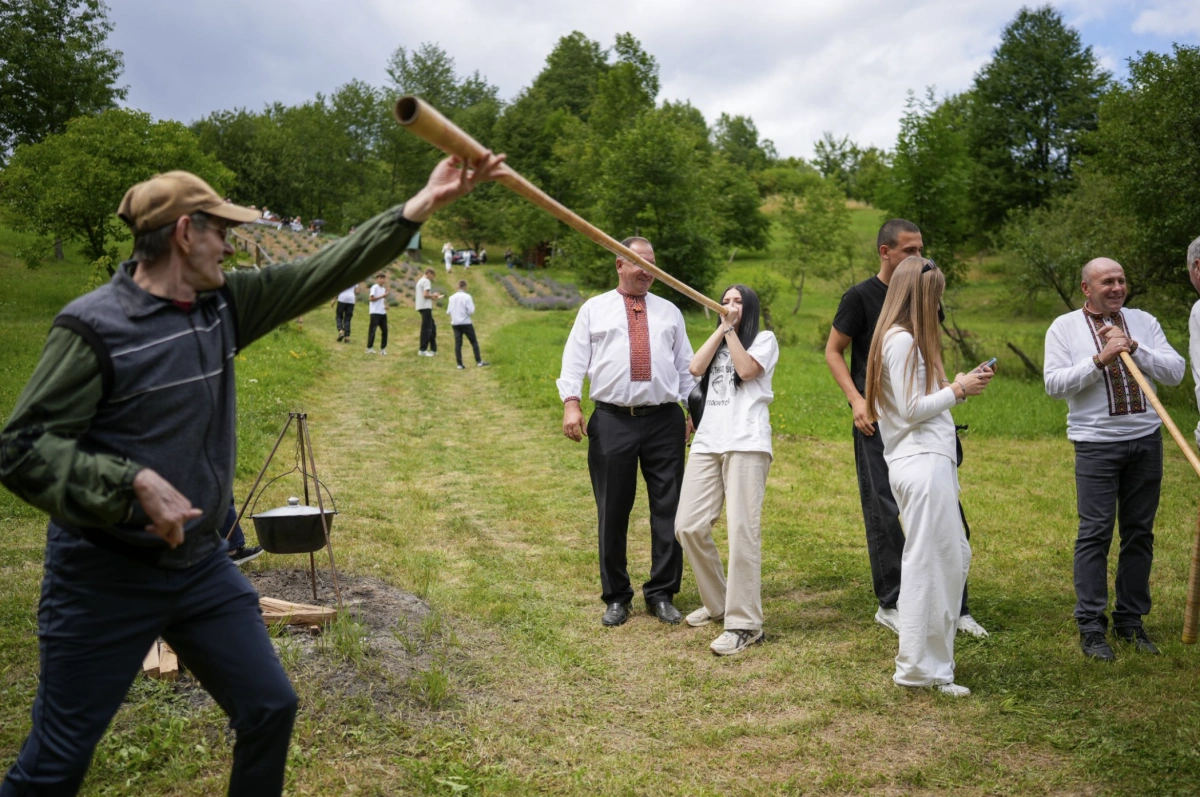
"What impressed me the most was the variety of products with traditional Hutsul ornaments, a lot of jewelry, and each with a unique pattern. Various crafts were presented, even such as cheese plasticine, and we also had the opportunity to participate in cheese modeling. My dream of hearing the trembita playing and, in general, enjoying colorful performances at a concert, and after that buying products with ethnic motifs," shared 16-year-old Polina Levenok from Sumy.
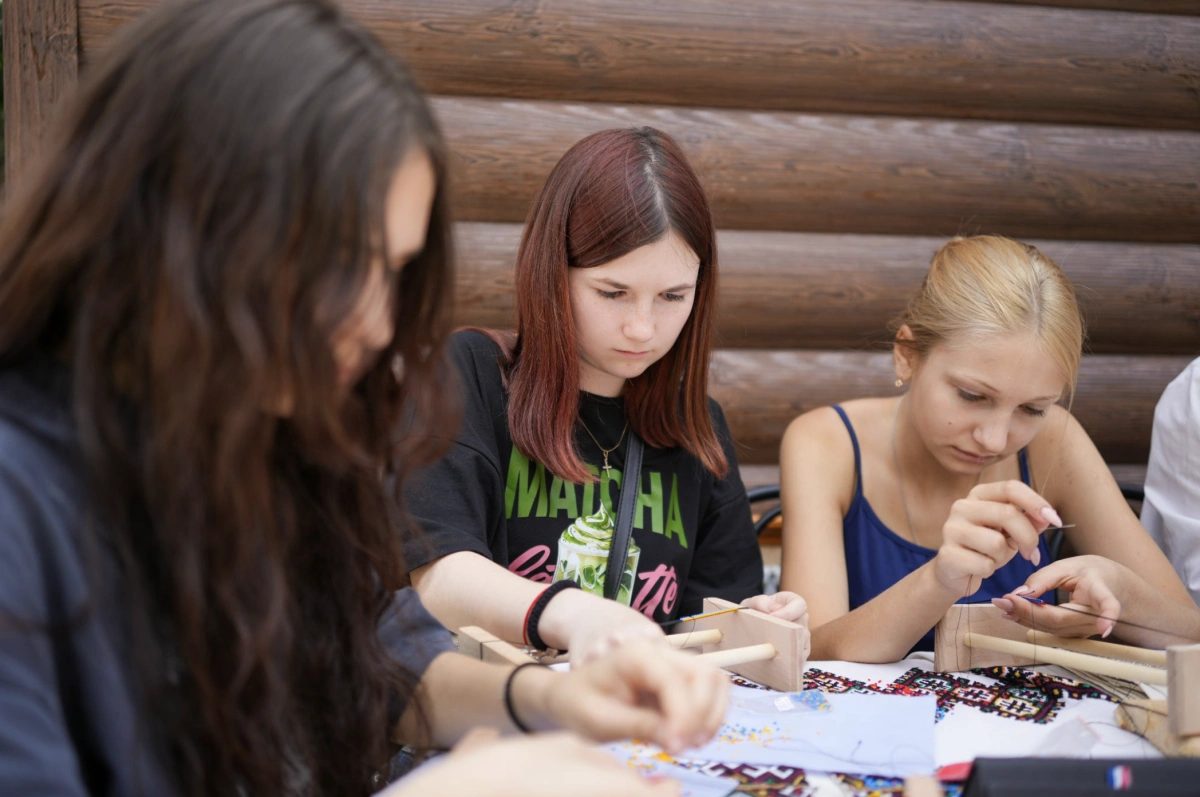
The Festival also held master classes on folk crafts. Schoolchildren were happy to participate.
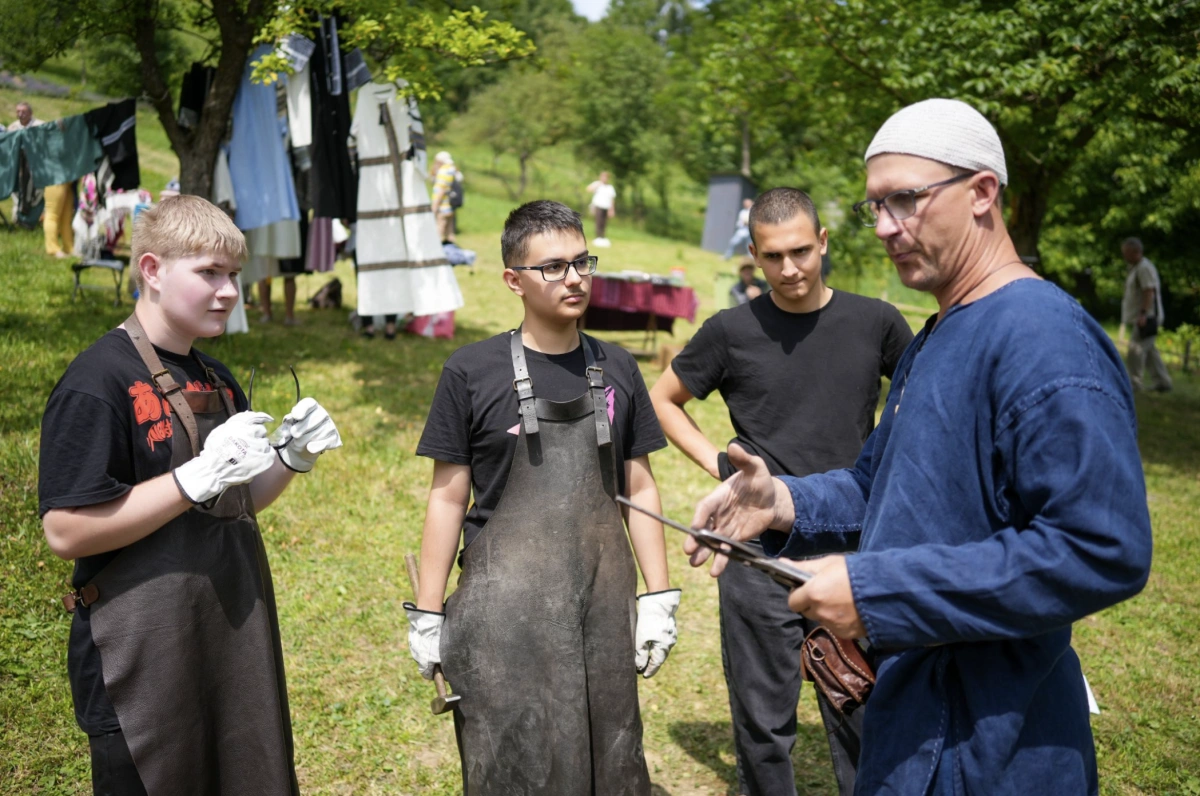
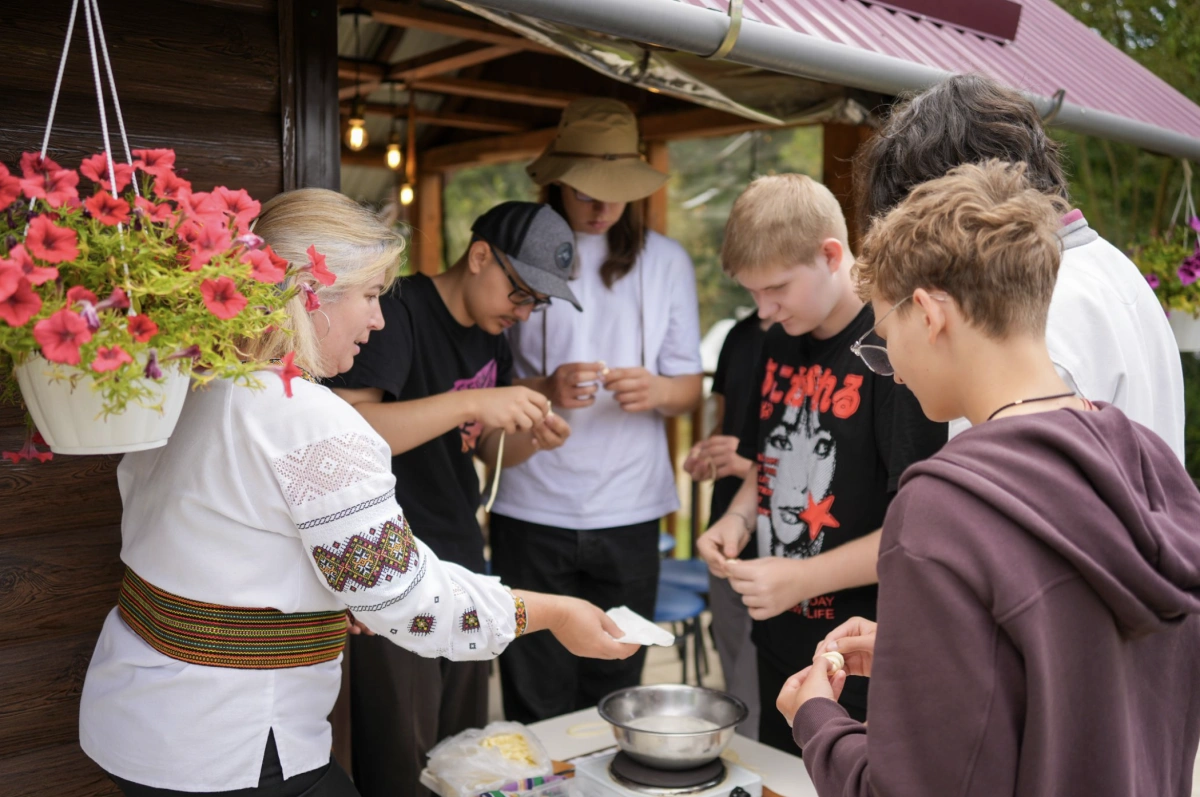
"I liked sculpting cheese horseshoes from budza the most, it's somewhat reminiscent of modeling with plasticine, and most importantly - it's very easy to do. The blacksmithing master class was also interesting. Here, on the contrary, you need to master it for a long time. Unfortunately, today you will only see such crafts at festivals, machines are increasingly replacing people. A machine will not do with a soul, everything will be brought to perfection, but there will be no soul in the product," said school participant Maksym Marchenko from the village of Lypova Dolyna.
Lithuanians visited "Colored Balls" as part of the cooperation between masters of folk art of Ukraine and the Republic of Lithuania. Schoolchildren got acquainted with foreign artists and learned about their national crafts. It was not just curiosity, but a task. After all, every day the students participated in a quest: they competed to solve the tasks set. At the Festival, the schoolchildren had to complete the quest "5 Masters - 5 Stories".
"At the festival, I met many craftsmen from Ukraine and Lithuania. Among them is 12-year-old Lithuanian Sofia, who has been weaving for 2 years. Blacksmith Martinas from Lithuania creates sacred elements for memorial signs. Dominika from Lithuania is a craftswoman of pysan or in Lithuanian - marguchai. Lithuanian pysanky are characterized by restrained colors and patterns. Music teacher from Lithuania Dalya professionally plays the traditional Lithuanian instrument - gusli. In his free time, he makes straw products that serve as interior elements, amulets and decorations for the holidays. I probably stayed at Ms. Dalya's location the longest. I tried to weave a straw decoration with my own hands and was convinced that it was quite difficult! This experience gave me an immersion in interaction with living materials, traditions, and myself," said Artem.
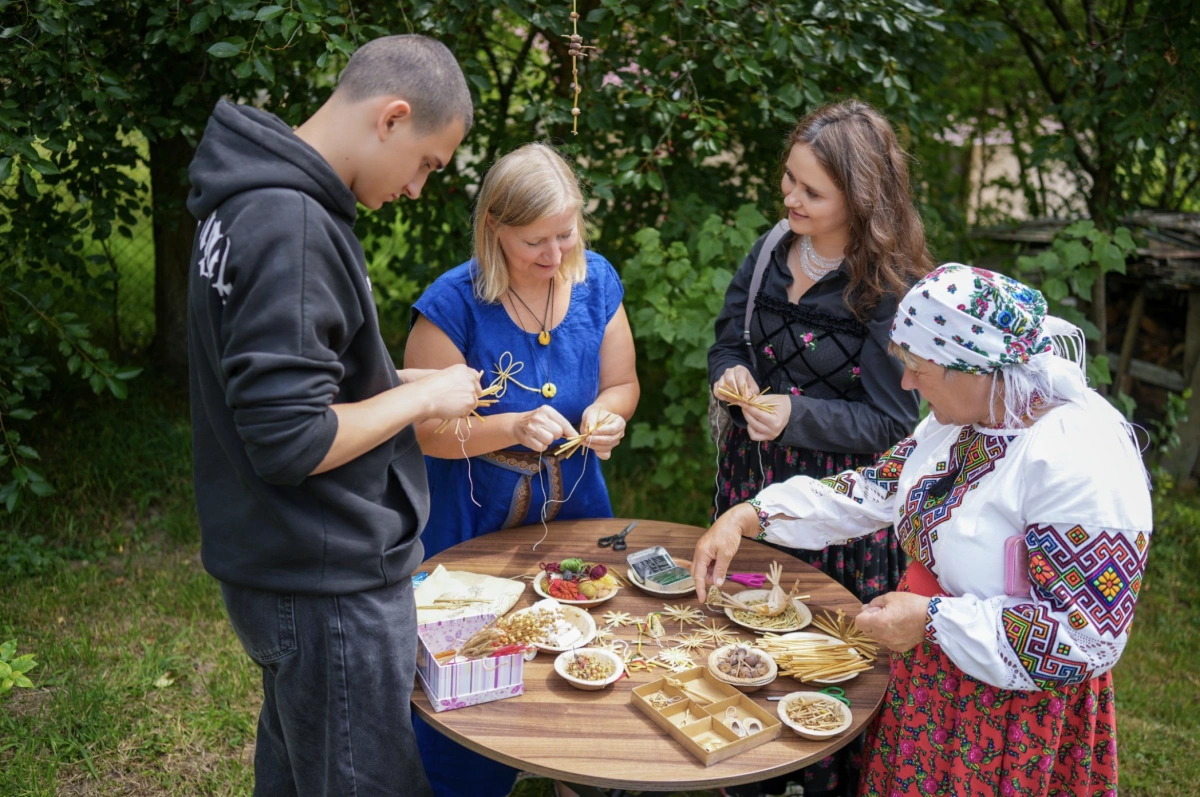
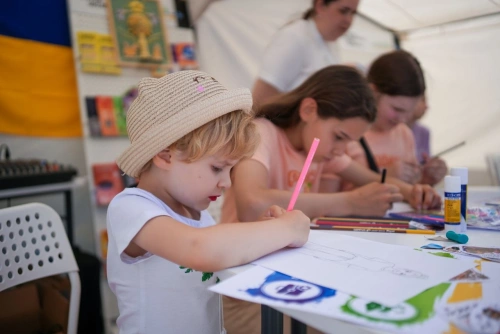
Daily quests have become one of the favorite activities of schoolchildren. Students “hunted for color” at the Kosiv Museum of the Hutsul Region, “hunted for symbols” at the Museum of Easter Egg Painting and the National Museum of Folk Art of the Hutsul Region and Pokuttya named after Y. Kobrynsky, took part in the “Hutsul craft quest”, chose an item for the “Time Capsule”, and drew pictures about peace.
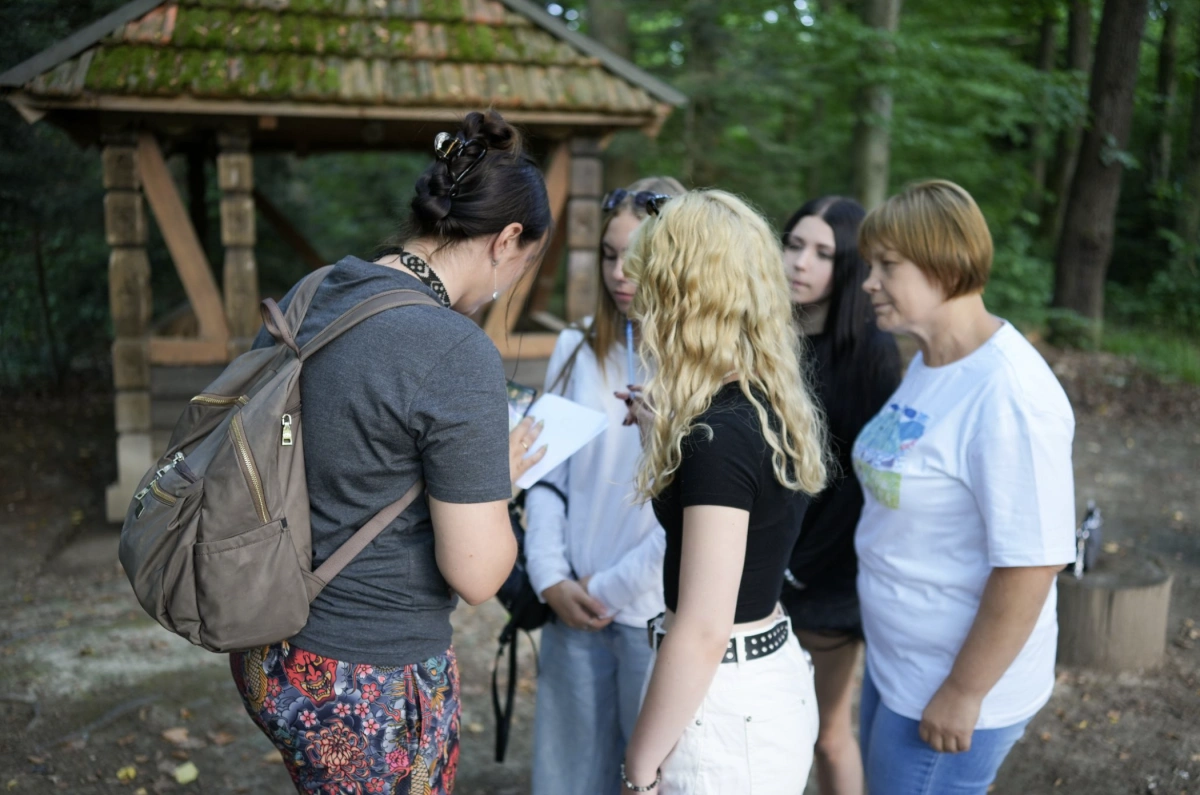
"What I liked most was that the quests were very diverse. It was also interesting to learn about the meaning of Hutsul ornaments and symbols. Such quests help to look more closely at the exhibits, get to know the Hutsul culture and traditions better, develop observation, creativity, and the ability to work in a team," said Olga Volkoboy from Dnipro.
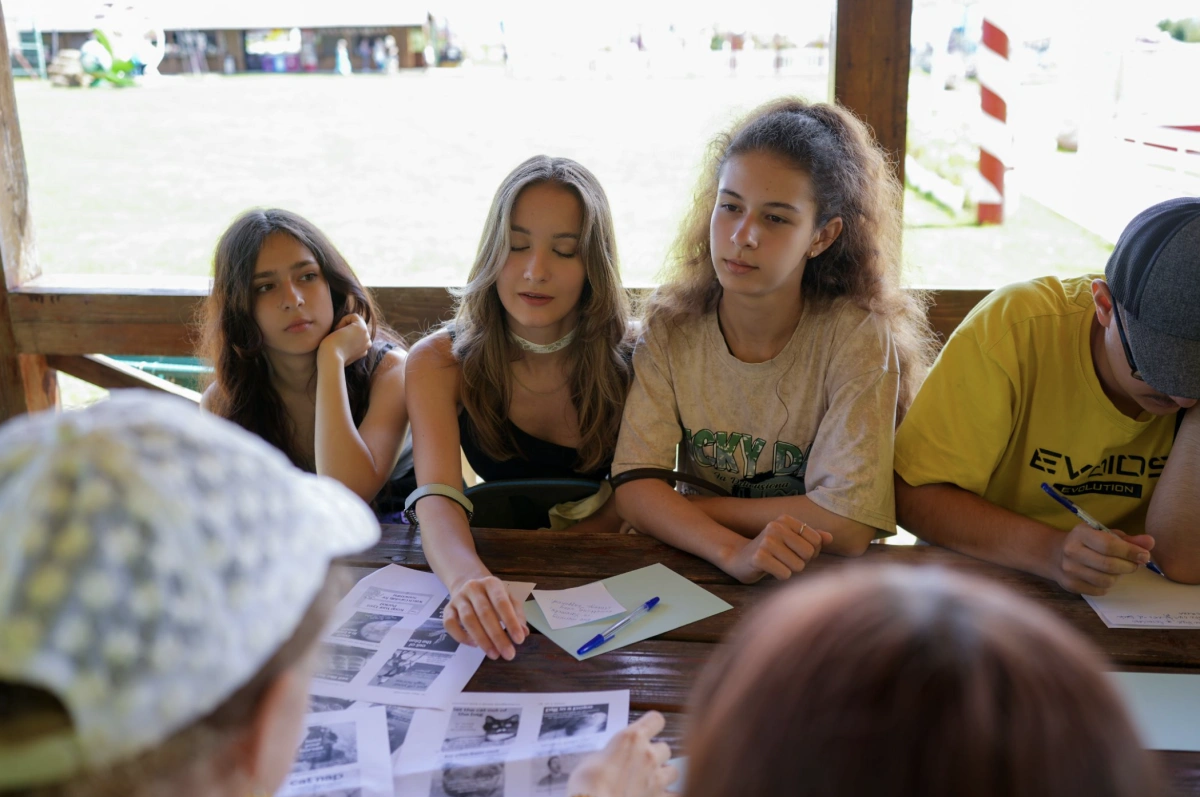
"Such quests add flavor to the program. They force you to be proactive. Moreover, such tasks are interesting and do not distract from the main program. What I remember most was the English-language quest, where you had to find a given object and describe it in English. After all, I really like learning foreign languages," shared Dmitry Panchenkov from Kryvyi Rih.
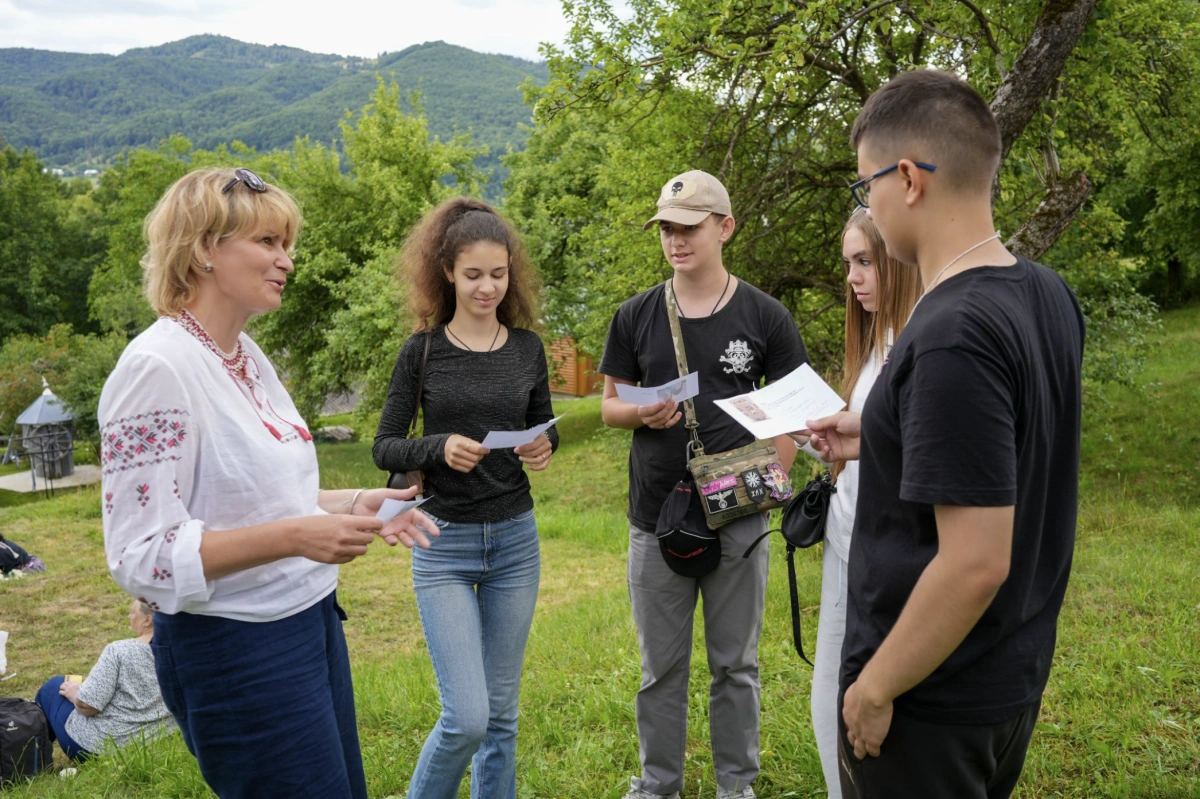
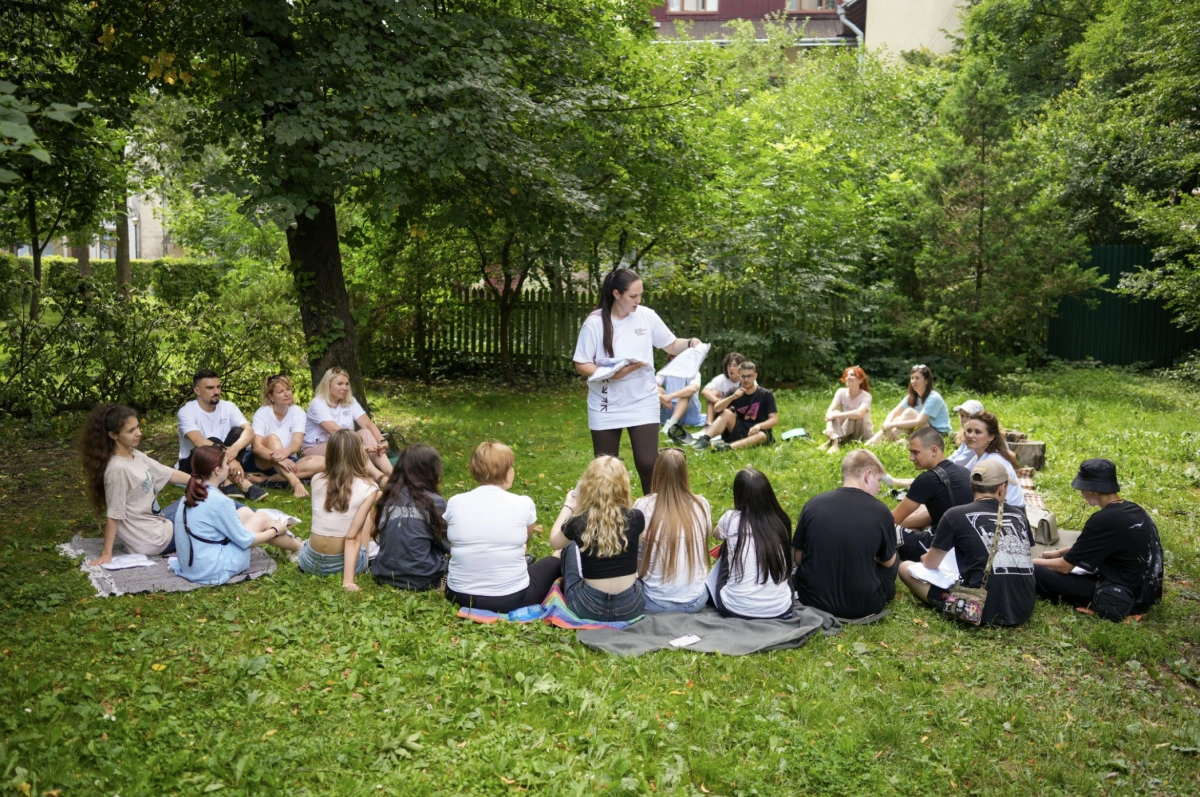
There were also English classes, of course. They were held in various formats: a dating game, a guessing game, an English-Hutsul quiz, and outdoor activities. The students also learned financial literacy: they received daily tasks on craft economics - they learned how to build a business using examples of folk crafts.
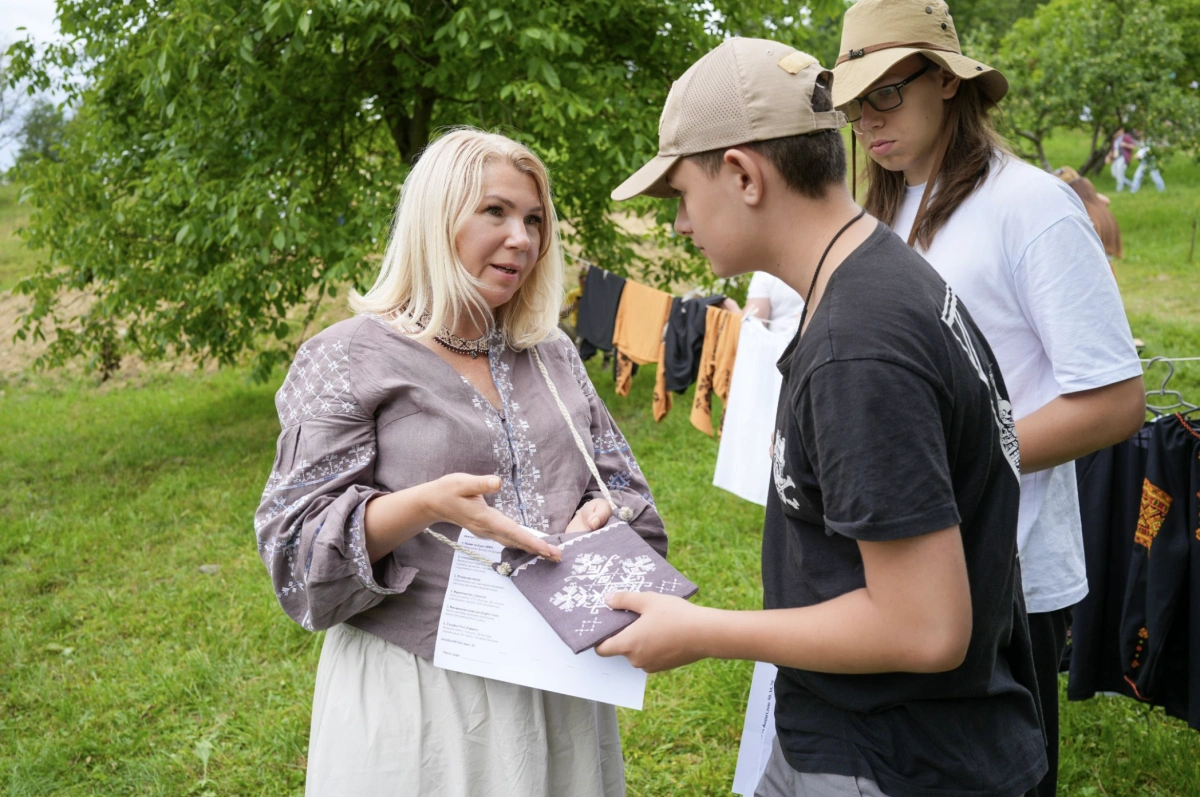
"The main goal of our financial literacy classes is to form modern economic thinking in participants, teach them to critically evaluate their own financial decisions, and show how traditional cultural heritage and crafts can be transformed into successful, high-margin businesses. The program was built on the principle of "learning by doing" - learning through action," explained Viktoriya Fedorchenko, a methodologist at the regional cooperation department, who taught financial literacy to schoolchildren.
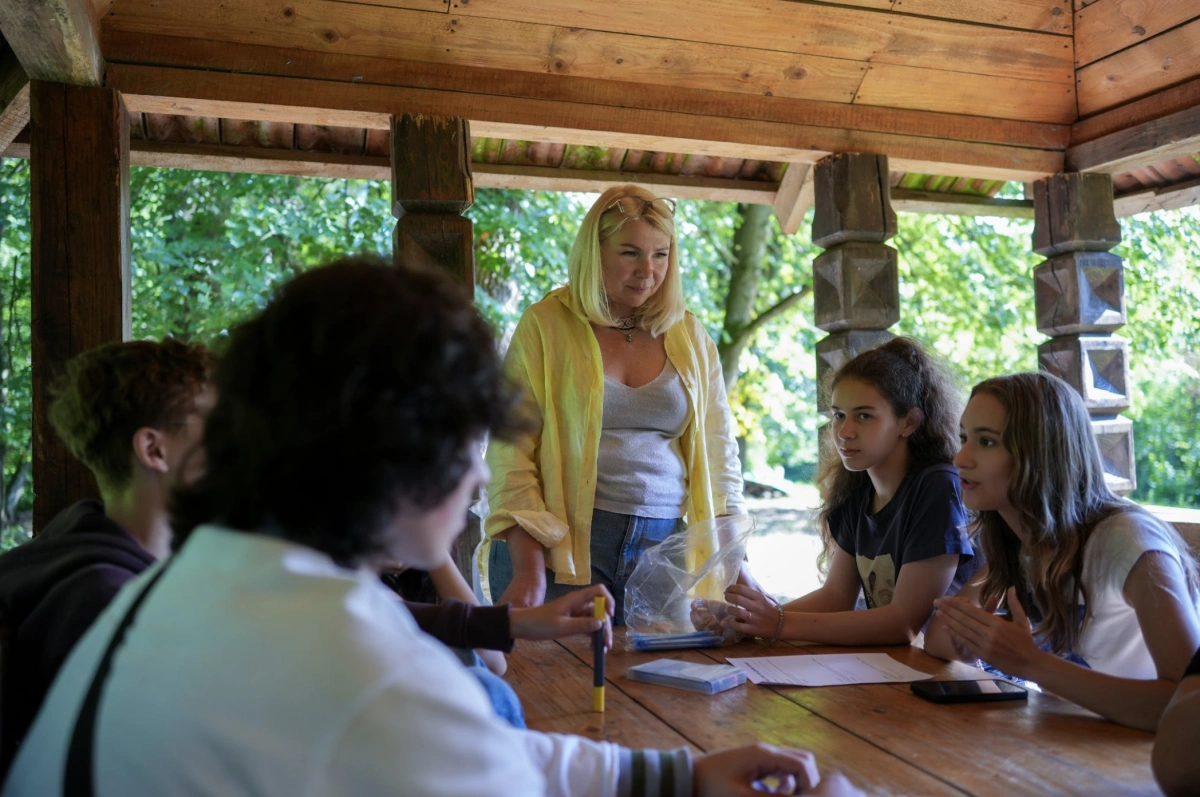
"We studied competent budget allocation, solved business problems. The most memorable thing was coming up with a collaboration with a company of programmers. All these lessons were exciting and interesting. They made us understand our financial goals," said Maria Mishchenko from Sumy.
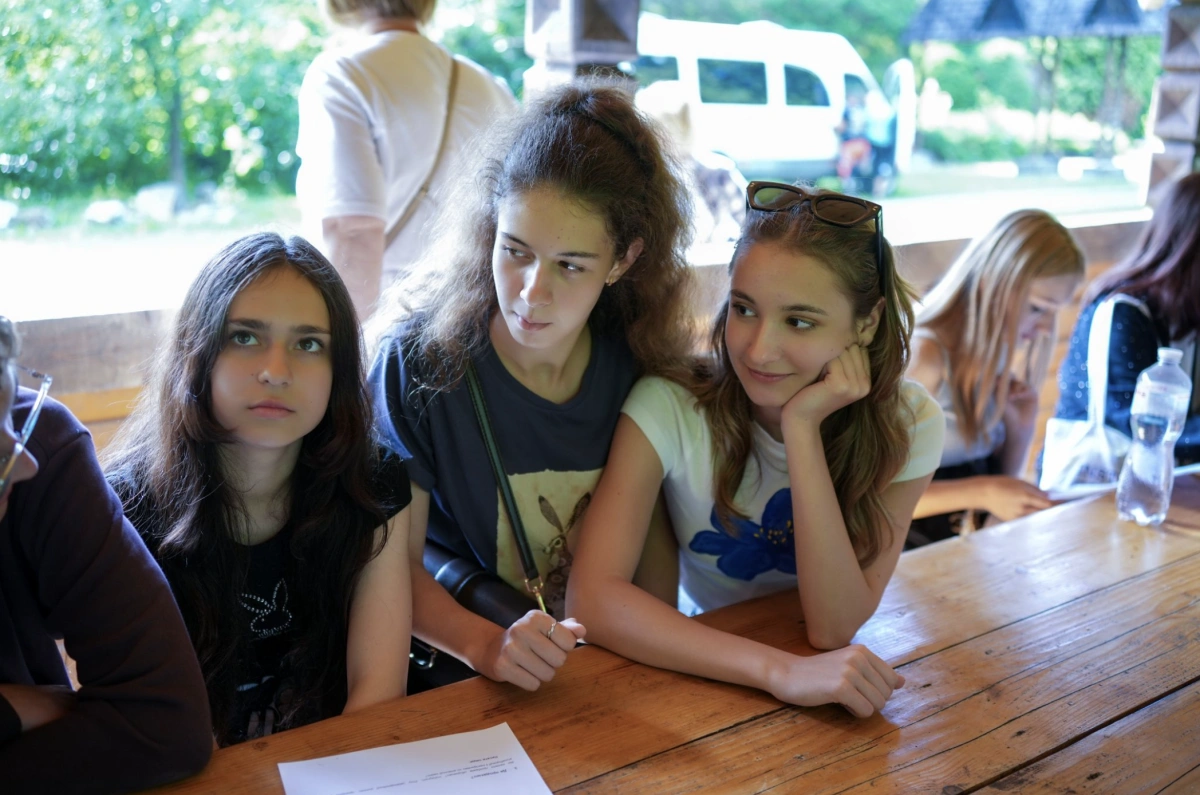
The students especially remembered the business game “Ethno Sharks”, which took place in the Tysovo Nature Reserve without access to the Internet. It was necessary to come up with startups and “sell” them to investors. They worked in teams and created a lot of interesting things: Hutsul crocs, ornamental portraits, handmade beadwork sets, modern clothes with Hutsul amulets applied with reflective paint.
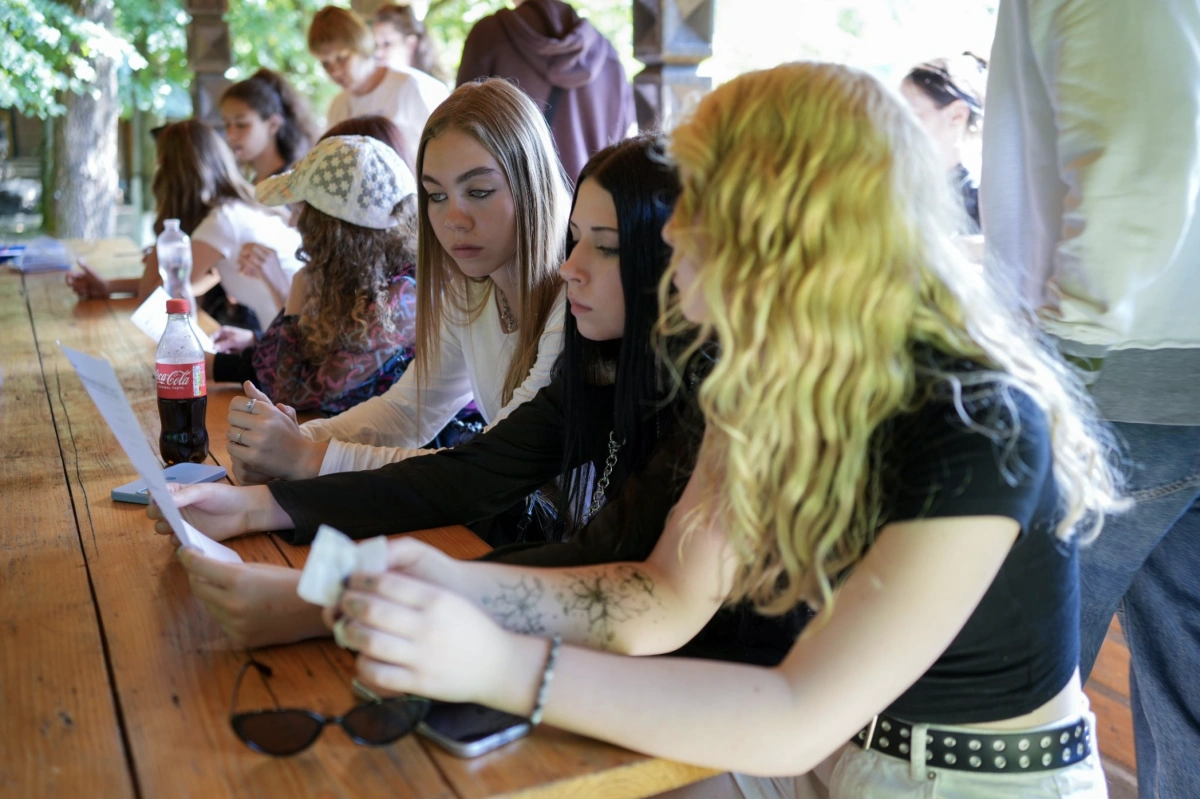
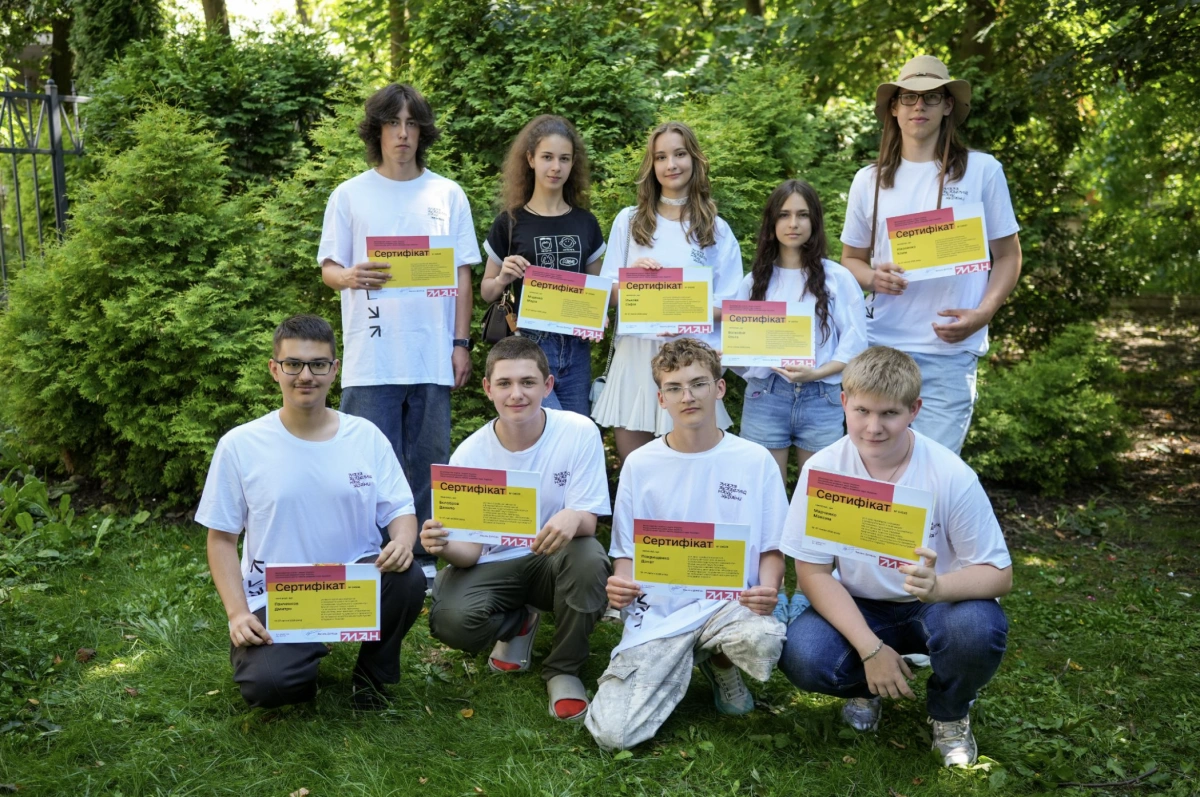
The All-Ukrainian Summer School "Paths of Hutsul Ornament" passed at such an intense, but at the same time exciting pace. Students received certificates of participation in the school, as well as invaluable experience, new friends and interesting ideas for further research.
Other News