Ivan Kupala in the Hutsul style: how livestock were protected from witches, and girls married the queen
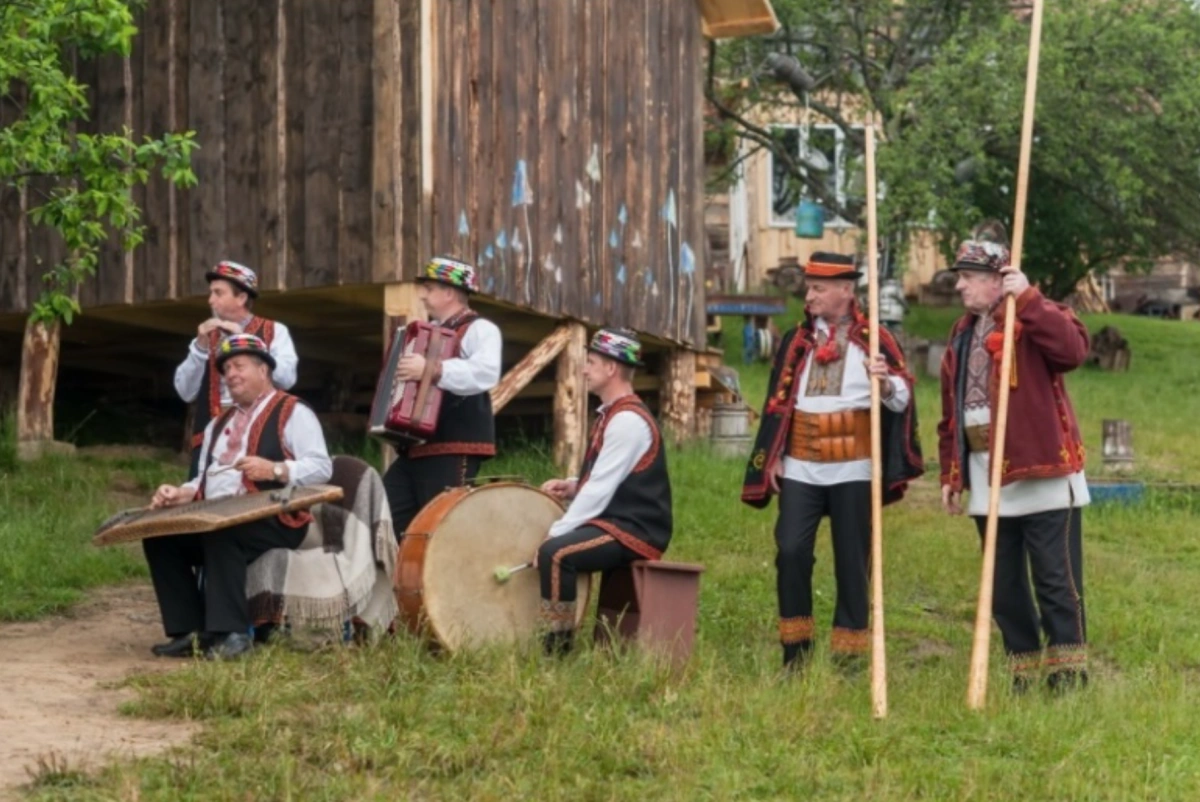
Jumping through fire, searching for fern flowers, letting wreaths float on the water - these traditions make it easy to spot the holiday of Ivan Kupala. It has been revered and celebrated throughout Ukraine since ancient times. Ivan Kupala is a pagan holiday, but its date coincides with the Nativity of John the Baptist - a day celebrated by Orthodox and Greek Catholics. The Hutsuls have their own authentic name for the holiday - Ivandel. Sometimes they say Ivan-den or Ivanya. Beliefs and traditions associated with this day also have their own characteristics in the Hutsul region.
Animal amulets
First of all, according to Hutsul beliefs, it was necessary to take care of the livestock in Ivandel. After all, evil spirits that arrange riots lurk on animals and can harm them. So, with the help of herbs, witches - this is what the Hutsuls called witches - sent various diseases to the livestock, took milk from it and passed it on to their own. So that the witches could not enter the barns, the Hutsuls plugged the cracks and doors with potions, fumigated the animals with incense, resin and herbs. The udders, spine and forehead of the cows were rubbed with garlic, because they believed that it would protect the livestock from witches. Sometimes on Kupala night, calves were locked up together with the cows so that they would suck the milk and keep out evil spirits. The Hutsuls also had special Kupala rituals that helped increase the fat content of the milk and generally ensure good milk yield. To do this, they collected dew and flowers at dawn, searched for milkweed root, mixed them with salt, and fed them to animals.

Photo from the Internet
Purification by fire
Fire is an element with which the Hutsuls inextricably linked the holiday of Ivan Kupala. On the tops of the mountains, people lit bonfires, to which they necessarily brought livestock - cows and sheep. The animals' mouths were opened so that light and smoke from the fire could enter them. The Hutsuls believed that this would protect the livestock from oral diseases. And even a witch would be afraid of the magic fire and would not approach the herd.
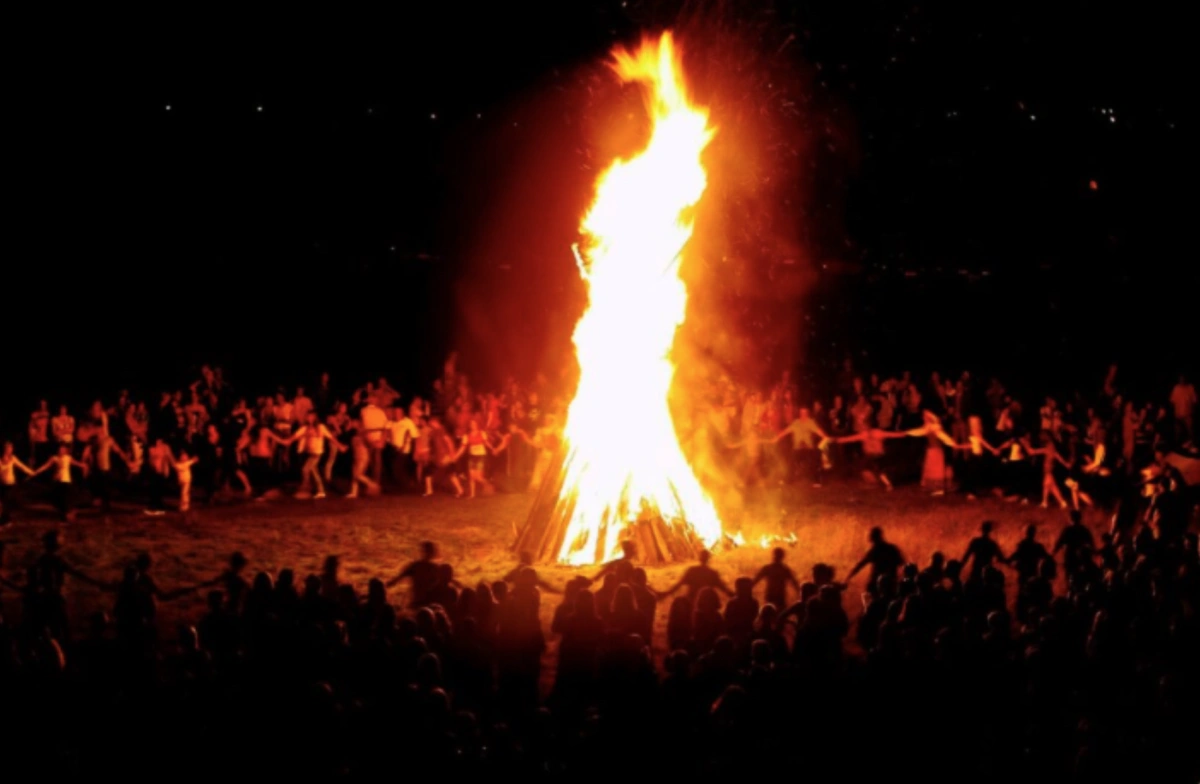
Photo from the Internet
Of course, young people also played around the bonfire. They would dance around the bonfire and jump over it. Whoever jumped the highest would have the greatest happiness. Young men and women in love, holding hands, would jump in pairs over the bonfire. They believed that if the couple did not break up while jumping, they would get married. Sometimes the young man would take the wreath off the girl and put it on himself, giving her his headdress in return. The Hutsuls believed that jumping over the Kupala bonfire was a kind of ritual of purification by fire, protection from negative energy.
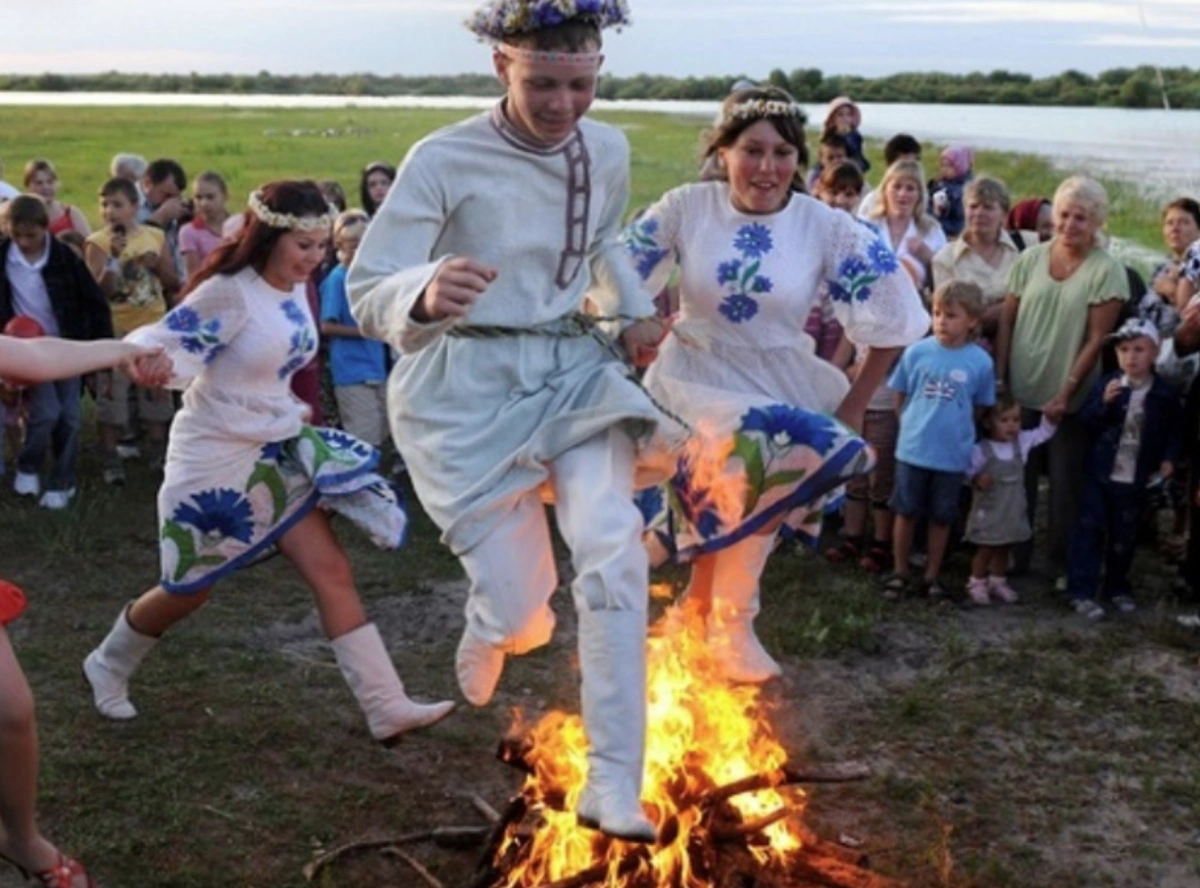
Photo from the Internet
The healing power of plants
Plants, which also acquired magical properties on Kupala night, were an integral part of festive rituals. Of course, girls collected fresh flowers in the mountains and wove wreaths from them. However, in the Hutsul region, the rite of throwing wreaths into the water was not widespread - due to the rapidity of the mountain rivers. But the Hutsuls sought out fern flowers. They believed that if you pluck a flower, you can understand the language of nature and animals, and also become extremely happy.

Photo from the Internet
At dawn, Hutsul girls - in groups or individually - went to look for the queen flower. To do this, they went to inaccessible places so as not to meet anyone. Having found the flower, the girls bowed low to it, anointed the plant with honey and poured vodka on it. They treated it as if it were a lover: they stripped naked, lay down next to the flower, kissed and caressed it. Then they dug up the queen, and in its place they put money, some bread, wheat, honey and said: "As I cannot be without bread, so my fiancé cannot be without me. How sweet is honey, so sweet would I be to him. I give you a khisna, and you give me a salary." Then they hugged the flower to their chest and ran home with it, unnoticed by anyone. All this had to be done before the roosters crowed. At home, they put the queen in the middle of the table, called their friends and imitated a wedding. The flower played the role of the groom. The bride treated it as if it were her beloved. Then the girl dried the flower and hid it or planted it, and on every holiday she talked to it as if it were a sweetheart, and treated it to honey and vodka.
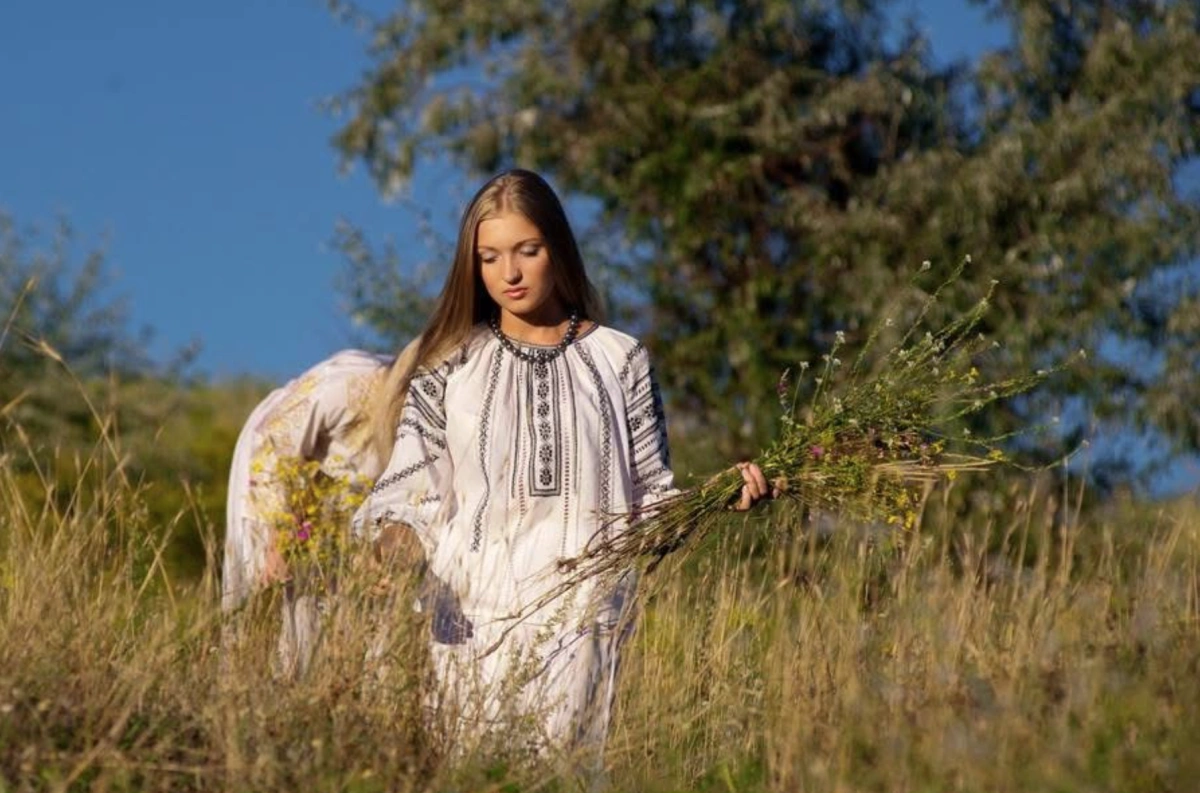
Photo from the Internet
On Ivandel, in the morning, they also collected ryegrass. Before the roosters crowed, girls would go out into the field, bathe in rye, and say: “Rye, rye is not wheat, I am the first devotee.” Then they would tear ryegrass, smear it with honey, apply it to their lower body, and say: “As this ryegrass sticks to me, so would the boys stick to me.” Later, when they were going to dance, they would stick that ryegrass on themselves, smearing it with honey, so that the boys would take them to dance. After all, if a girl had ryegrass on, she would be as sticky as this plant.
To dance beautifully, they collected dancing grass, and German thyme to arouse hatred. Thyme was used against unclean spirits: they fumigated the house and utility rooms with it.
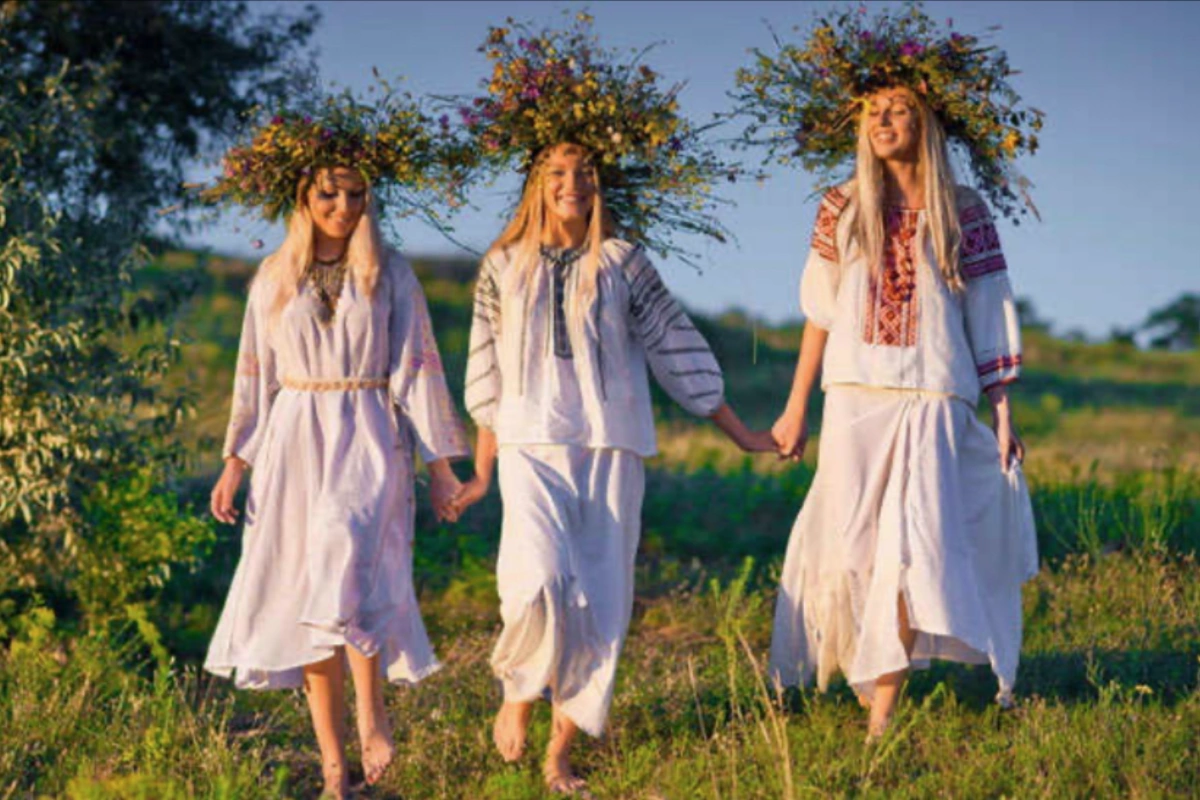
Photo from the Internet
Kupala superstitions
Hutsuls are very superstitious. The highlanders highly respect their customs, formed over many centuries, and diligently observe them. Interestingly, some beliefs that arose intuitively have a scientific basis and logical explanation. Although there is always room for magic, especially on the holiday of Ivan Kupala.
On Kupala night, it is categorically forbidden to sprinkle water on pregnant women, children and the elderly. Hutsuls believed that on Ivan Kupala, water and fire become magical. At this time, the boundary between the worlds is erased, evil forces are activated and begin to hunt pregnant women, young and old - the most vulnerable. Kupala water attracts evil spirits that can cast a spell or cause illness. Pregnant women were forbidden to participate in noisy rituals, jump over bonfires and pour themselves with water, so as not to disturb the peace of the future baby. There is a scientific basis for such superstitions: sudden dousing with cold water can cause vasoconstriction or muscle spasms, which can be dangerous for pregnant women, children, and especially the elderly.
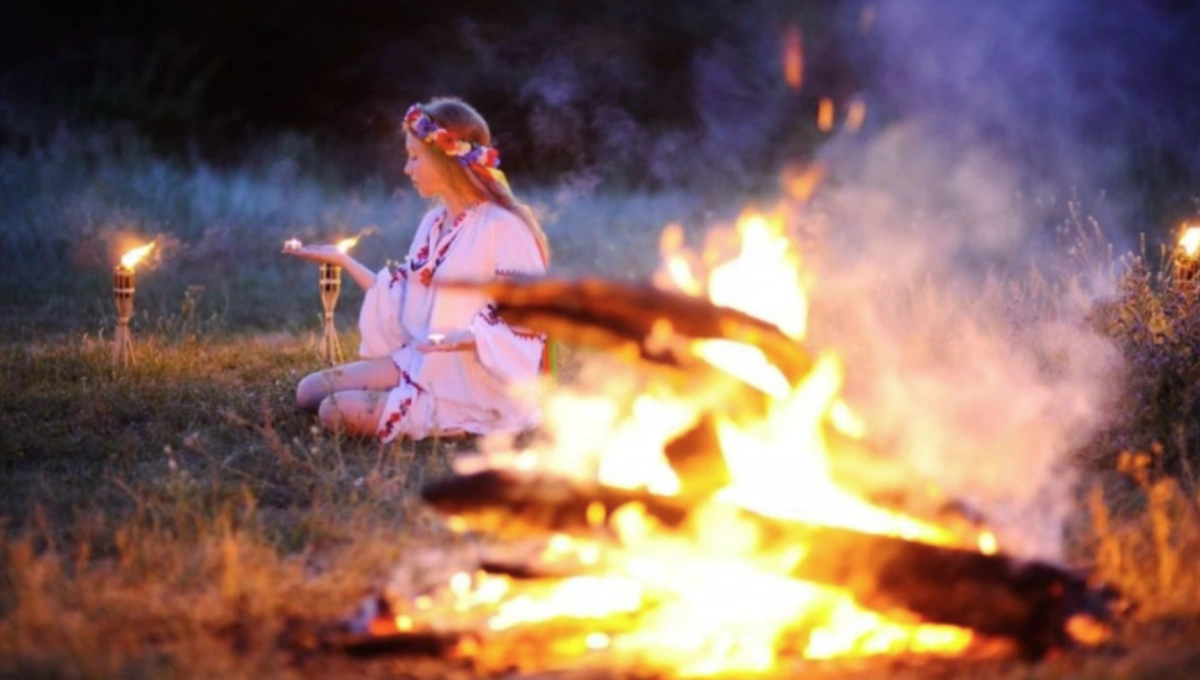
Photo from the Internet
Hutsuls are generous people, but they never borrowed money on Ivandel, and they did not pay off debts. At this time, no valuables could be taken out of the house so as not to become impoverished. Along with the transferred money, you can give away your own happiness and bring poverty to the family. On this day, energy flows open, so financial transactions can lead to quarrels and the transfer of negative energy.
Another belief related to money: on Ivan Kupala, Hutsuls did not pick up lost money from the floor or ground: this way, you could take on other people's debts, life troubles or illnesses that you wanted to get rid of before your own. Science has an explanation for this belief. Money is one of the dirtiest things. After all, passing by a large number of hands, coins and banknotes collect a lot of bacteria and harmful microorganisms that can cause various diseases.
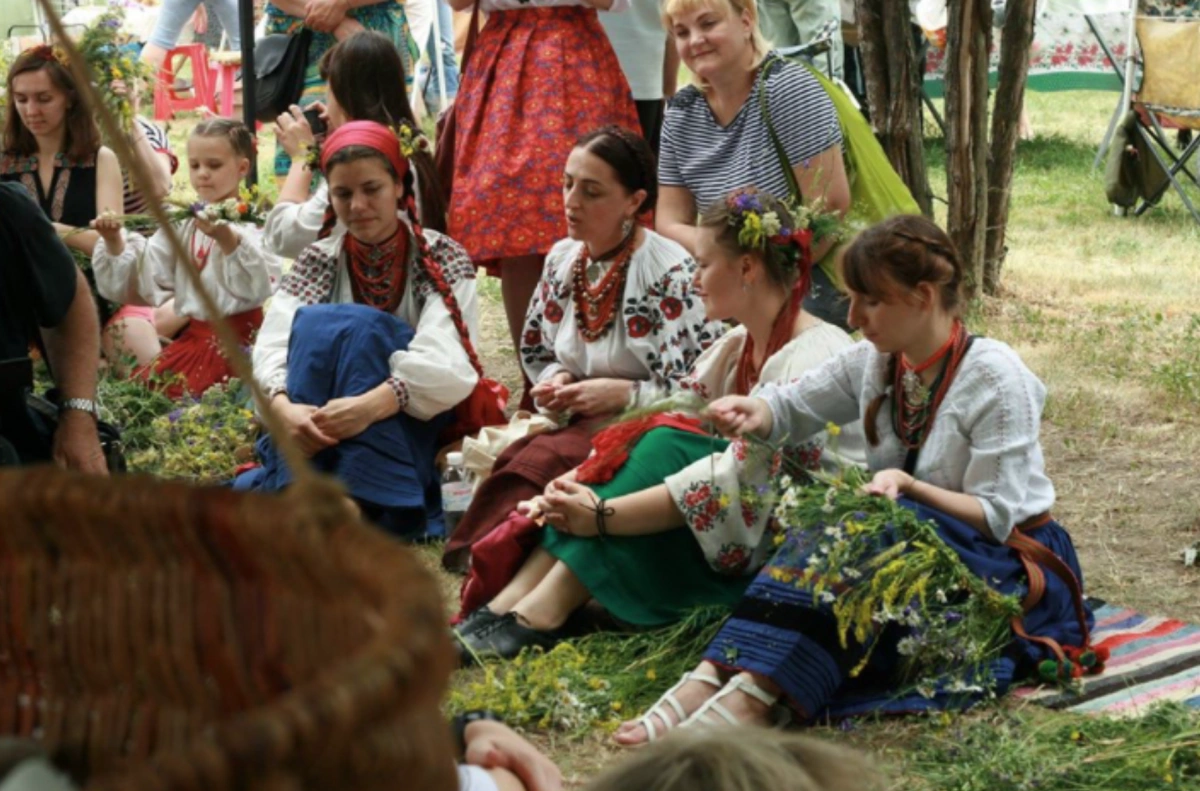
Photo from the Internet
If a cow is beaten with a stick on the feast of Ivandel, its udder may dry up and its milk may disappear. After all, as is known, plants acquire special power at this magical time, and witches can use them for their evil deeds. Science also protects livestock: a humane attitude towards animals excludes any beating or physical harm. The animal may get sick or even die, so the family will be left without a wet nurse.
What you absolutely cannot do on Kupala night is… sleep! When the evil spirit was activated and the border between the worlds became thin, the Hutsuls did not allow themselves to fall asleep in any case. In a dream, a person becomes vulnerable and can very easily become prey for the evil spirit. And you need to protect not only yourself from it, but also your household and family. The Hutsuls believed that if you sleep through Kupala night, you can also “sleep through” your happiness and destiny. To prevent sleep deprivation, the inhabitants of the Carpathians gathered together and walked until dawn. And the magical night ended with the crowing of the first roosters, which drove away evil spirits. Science confirms that a person's fears intensify at night, especially in those who are prone to anxiety. This is due to hormonal changes during the day. For example, in the second half of the night, the level of cortisol - the stress hormone - increases, because at this time the body prepares for awakening. The ability to control emotions at night decreases due to the exhaustion of the nervous system during the day. In addition, at night, distracting factors - work, household routine - disappear - something that takes up attention and prevents you from focusing on fears.

Photo from the Internet
The ancient Hutsuls believed that on Kupala Night one could find golden treasures. Supposedly, a magical fire would flare up where they were buried. The priceless treasure that we have today - the cultural heritage of the Hutsuls - has been preserved thanks to the painstaking work of scientists and the descendants of the highlanders, who preserve and carry the memory of their ancestors through the ages.
Main photo: from the Internet
Other News